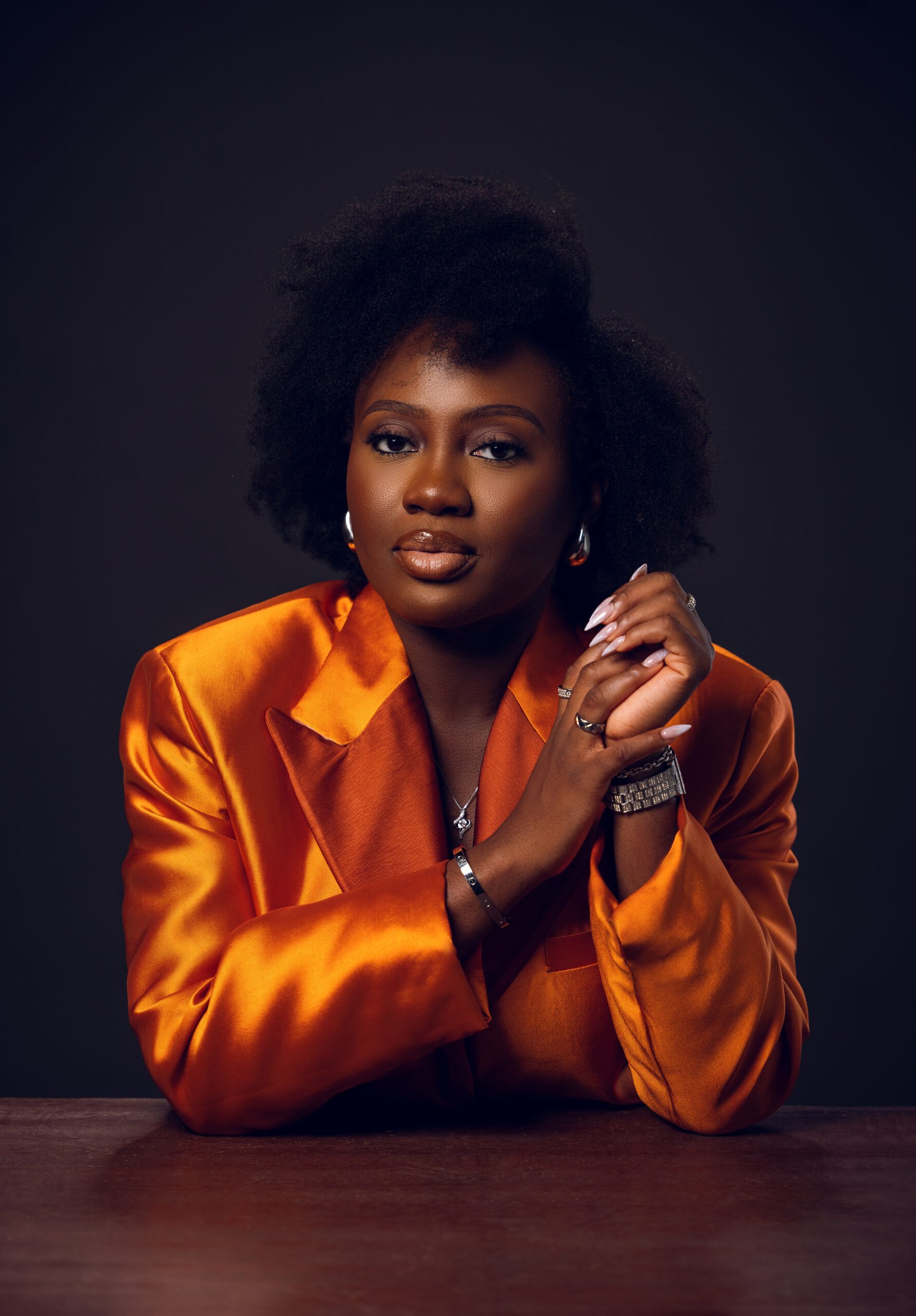
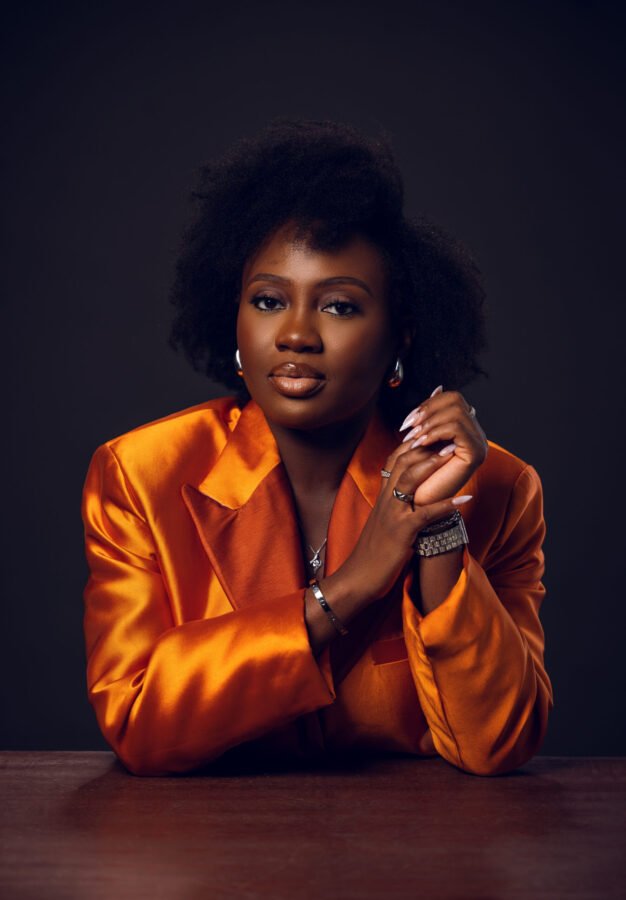
For Adanna Madueke, hair became a way of understanding herself. The Nigerian-Canadian entrepreneur and content creator began sharing her natural hair journey on YouTube nearly a decade ago, at a time when she was still learning how to care for her own hair. What started as simple tutorials for friends gradually grew into a platform where she could share what she was learning with a much wider audience.That journey eventually became OurHairitage, a platform dedicated to hair, culture and identity. Through education, storytelling and community, Madueke has created a space that encourages people to learn more about their hair while reconnecting with the history and culture behind it. Her own experiences of migration, self-discovery and navigating identity in Canada have remained central to the work.
Today, OurHairitage reflects how much that initial curiosity has grown into something larger. DigiMillennials caught up with Adanna Madueke to discuss the beginnings of OurHairitage, finding identity through hair, preserving Black hair culture and her vision for what the platform can become.
How would you describe what you’ve built with OurHairitage?
Adanna: I’d describe it as my baby. It’s my real-life experience that I’m communicating through a legacy and a business that’s important to me because I want the impact to remain. It’s a true reflection of my journey, self-discovery and identity crisis, and finding solutions to those things through this empire.
What originally made you want to create the platform?
Adanna: I started creating content on YouTube about nine years ago. It’s been a while, probably almost a decade now. At the time, I didn’t know anything about the content creation space. It wasn’t really seen as a serious thing to be a content creator. It wasn’t really taken seriously. I was also a student. I had just migrated from Nigeria to Canada, and I got into a space where I was trying to figure out my hair. I didn’t know how to take care of my hair. I didn’t understand my own natural hair. I knew nothing about it.
But, as funny as it sounds, I also went to boarding school. We were required to cut our hair from JSS1 to JSS3, so our relationship with hair wasn’t really a thing we had as girls in boarding school until senior high school. Then, in high school, we also had the influence of relaxing our hair. I joined my friends and relaxed mine, and that was the beginning of my lack of knowledge. I came to Canada and had to go from relaxed to natural hair, and it was confusing. I didn’t know how to take care of it. I had braids that I eventually took down after four months, and I decided to find someone on the internet to help me do my hair.
Thankfully, my mum had always packed hair extensions for me. When we found out we were relocating to Canada, she knew some of her friends had children abroad who were always talking about hair issues. She didn’t necessarily understand why, but she thought, “Somehow, this girl will probably need these hair extensions.” So she packed them for me. I remember opening my suitcase and thinking, “You know what? I’m going to try to do something with my hair myself.” I started doing my hair, and girls at school would walk up to me and ask me to do theirs.
I was like, “Guys, first of all, I am not a hairstylist.” My dad had warned me from a very young age, from when I was about six. I used to do my siblings’ hair and play with my sister’s hair, but he was very serious about not wanting his first child to become a hairstylist. The dream was for me to be a doctor and go to medical school. He made that very clear. There was already that fear in me that this couldn’t be a venture for me. The fact that I had finally discovered how to do my own hair didn’t mean I was going to help other people do theirs, because my parents were against it and wanted me to become a medical doctor.
But my friends didn’t stop. They kept coming to me saying, “If you can do this for yourself, imagine what you can do for me. I’ll pay you.” They would literally send money to my account to show me they were serious, and then we would schedule hair appointments together. I started helping my friends with their hair, and I got so many clients. I never advertised myself. People just came. My hair was the advertisement. People would see me walking around with my hair and ask, “Can you help me do my hair?”
At some point, I was writing exams and told my friends I wouldn’t be able to do their hair because I needed to focus on my exams. Around that time, I also discovered YouTube because I was using it to help me with chemistry. That was how I discovered YouTube. I decided to make videos for my friends. I would make them unlisted so nobody else could see them, and I’d send them the link so they could watch what I was doing and copy it on themselves. Slowly, I started getting more views. I remember waking up one day and seeing about 1,000 views. Then people online started asking me, “Can you please show me how you did this?” They wanted more tutorials. That’s how the platform started. It became a place where I was expressing my entire journey of discovering my hair. I was never an expert. I was discovering things myself. I was just showing people, “This is what I’m doing right now. This is how I did it.”
As I was doing that, I realised I was also going through an identity crisis. I didn’t even realise I was a Black woman when I came to Canada. I came to a country where my colour stood out. I just thought I was a human being. I would go for job interviews and feel like I had to present myself in a more Westernised way, with more European features, for people to take me seriously and give me a job. I was also very young, so my self-esteem was being threatened. I was constantly asking myself, “How do I position myself to fit in here while still retaining my identity as an African woman?”
All of those things became an expression through my hair. I would sit in front of the camera and style my hair in different ways. I never planned the hairstyles. I would just sit down and do whatever came naturally. It became a form of art for me. However I was feeling was how my hair would look. If I was lazy and wasn’t feeling my best, my hair looked like I wasn’t feeling my best. It became a way for me to express myself, and because I came to Canada alone, I needed that outlet.
Through YouTube, I started seeing the impact I was making on people’s lives. I don’t think I even knew what I was doing. I was just doing something I’d been doing since I was six years old. It felt very spiritual and very natural. From the beginning, I wanted to preserve that culture and give people access to it, while also presenting my own experience to other women coming to this part of the world who were struggling with self-esteem, identity crisis and racism, and trying to figure out how to stand on their feet.
That’s how I founded OurHairitage. I wanted something I could leave behind, something that could continue whether or not I was the one running it. It gives me joy knowing that I was able to pass this knowledge down to other people. At the core of it, I want people, especially Africans, African women, Black people and ethnic minorities, to find themselves and feel good about who they are. I want them to enjoy who they are and find themselves through a brand that represents them and continues to create an impact. I’ve also realised that identity is a huge part of how we navigate the world. If you don’t know yourself, you can’t really do much.
You’ve evolved from creating natural hair content into telling bigger stories around culture and identity. What has that transition been like for you?
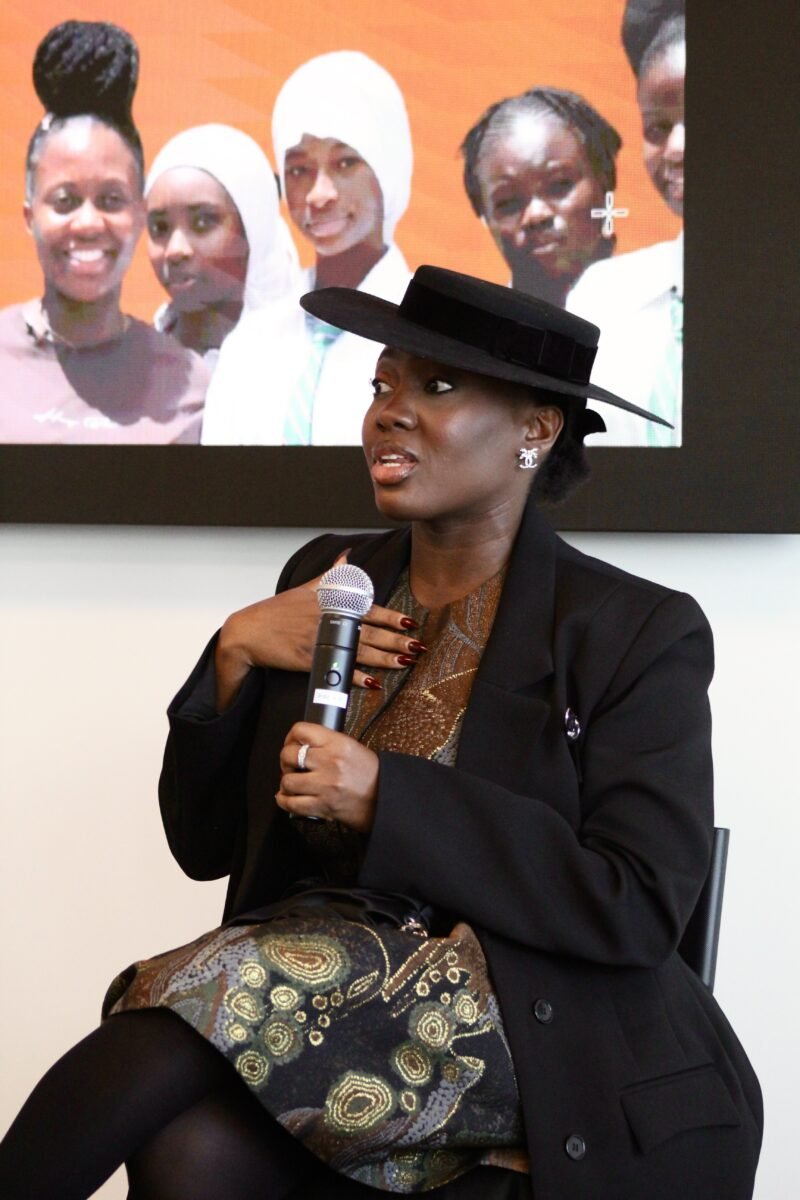
Adanna: I feel like my journey has been very spiritual in the sense that there was never a time when I sat down and said, “This is what I want to do now.” I don’t really plan things that way because the things I plan never go as planned. Every other thing has just come naturally. I suggested that we go to a school and teach girls about their hair, and people who couldn’t join physically could join online. I didn’t expect the video to be anything crazy. I was just happy to give back to our community. Somehow, the video got almost 200,000 views, and people started volunteering and saying they wanted to join the next one. I was like, “Which next one? There’s no next one.” But then I realised, okay, this is something people really want. So we had to create another one for them. That’s how the momentum built.That’s exactly how my journey has been. People want to join the next one, and we make the next one happen with them.
Looking back, what do you think has been the hardest part of the journey that people might not see from the outside?
Adanna: I think the hardest part has been the doubts. The self-doubt. During the early stages of my journey, I went through an identity crisis a lot, so the fear of not knowing exactly what I would accomplish was a huge hindering factor. You also have to be very resilient. You need the zeal to continue every single day. You wake up every day and repeat the same thing. You need tenacity and focus to keep going. I love what I do, but one of the greatest challenges has been the identity aspect and navigating different worlds. Realising that this journey would take me into different rooms that weren’t necessarily prepared for me also came with a lot of self-doubt.
What do you think people still misunderstand about Black hair and the cultural history connected to it?
Adanna: I wouldn’t say people don’t understand. I feel like it was an identity that was stripped away, so as Black people, we can’t really understand something we don’t have a connection with. It’s something that was taken away from us. When you’re trying to reinstate it, it’s almost like rewiring people’s thoughts. You’re provoking them at the same time because they’re encountering something they’re not used to. For Black hair, I just wish more of us could embrace it and understand the power that comes with it, as well as the story and history behind many of the hairstyles that we wear and why they exist. The same way we appreciate other people’s cultures and features, we need to appreciate ours. Even things like skin bleaching and wanting to look more Europeanised are impacts of identity clashes that have existed for years. It’s going to take years of intentional development of the upcoming generation to fix it. It’s not a one-day thing.
You’ve also travelled to explore different hairstyles and hair practices. Was there a particular moment that stayed with you?
Adanna: I went to Senegal because I wanted to learn about a particular hairstyle. What was interesting to me was that I didn’t go there with any products. The first few times I travelled to Africa, I automatically assumed that because I had experienced racism in Canada, if I went to my home continent, everyone would embrace my hair fully. I thought, “If you have to do my hair, you should know exactly what to do. I don’t even need to carry products.”
I went to Senegal and went into a shop asking for hair conditioner, and they were trying to sell me relaxer. I was looking at the box thinking, “This doesn’t even look like conditioner.” I also have a friend who went into a hair salon for a moisture treatment and they relaxed her hair because they thought she was asking for deep conditioning. That’s the depth of the lack of knowledge around hair care, even within our own communities. So how can you ask the entire world to accept you when we haven’t done the inner work ourselves?That was the most shocking thing for me, and it pushed me to take OurHairitage Academy even further. I thought, “How? How is this still happening?” I wanted it to really focus on Africans and help them learn how to take care of their hair.
How has it been building the academy?
Adanna: It’s been great, but from a political standpoint, it’s been tough. I’m not giving up on it, though. One of the biggest challenges is dealing with different generations. We need people from older generations and the change-makers who came before us to understand that this is an issue that needs to be fixed.Convincing people in their 60s, 70s and even 80s that this is something we need to address is tough. It can feel like a foreign language to them because they’re used to doing things a certain way.You’re trying to introduce something different to people who have been doing things a certain way their whole lives, so it’s difficult. But that’s the problem we have to solve.
How has moving from Nigeria to Toronto shaped who you are and your work as a creative?
Adanna: I appreciate it a lot because that’s what cemented everything we’re doing today. If I didn’t migrate, I wouldn’t have the experience to share or create this. OurHairitage is my lived, real-time experience. It’s also the experience of many others who have lived across different parts of the world and seen how they are treated and experienced life in different places.
Looking ahead, what do you hope Our Heritage becomes over the next five to ten years?
Adanna: I hope it becomes a brand that helps people remember who they are.
Finally, for any young girl reading this who might be feeling insecure about herself, what would you want to tell her?
Adanna: You’re gorgeous. You’re very beautiful. That’s it.