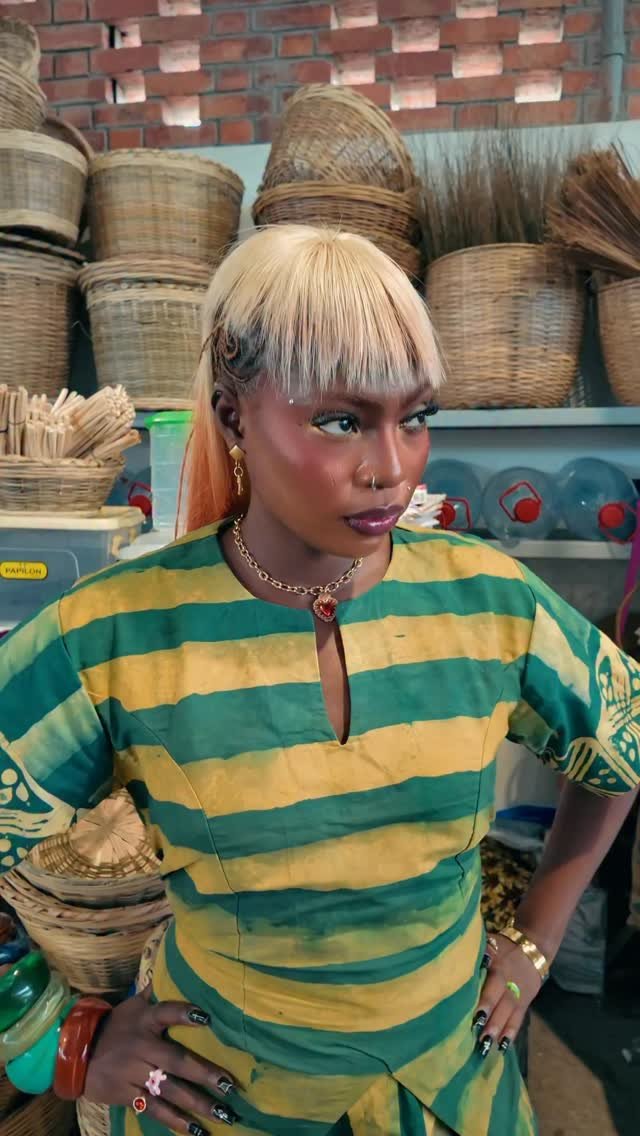
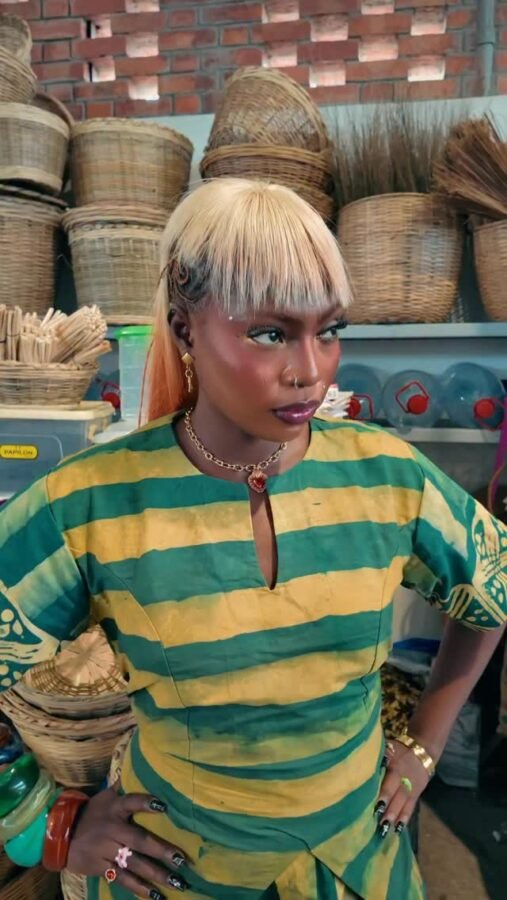
Few songs have travelled as quickly this year as “Okunkun’”. In just a matter of weeks, the record has introduced Solana to audiences well beyond Nigeria, with listeners around the world embracing a song they may not fully understand but can’t seem to stop playing. For the Lagos-born artist, the success has been both unexpected and deeply affirming. Built around Yoruba language and culture, “Okunkun” arrived at a time when Solana had made a conscious decision to stop second-guessing herself and simply make the music she believed in. The record has become a breakout moment, proving that authenticity can travel just as far. Across her growing catalogue, Solana has remained committed to making music that reflects who she is, using her artistry to celebrate her heritage while inviting listeners into it. “Africa is cool,” she says with a smile. “We have our culture, our languages, our food. We need to start being proud of who we are.” With “Okunkun” continuing to gather momentum and a debut EP on the way, DigiMillennials caught up with Solana to discuss the song’s global reception, staying rooted in Yoruba culture, and why she never felt the need to dilute her identity for a wider audience.
Everyone seems to be discovering you through “Okunkun.”How has this moment been for you? How has your life changed over the past few weeks?
It’s been such a beautiful experience because, as a creative, your goal is for people to enjoy what you do. Even though you’re not necessarily looking for validation, you still want people to see what you see through your art. It’s been amazing because people are finally enjoying my sound and connecting with the music the way I always hoped they would.
I think it’s also making people appreciate the language even more, so thank you for that.What’s been the most unexpected reaction you’ve received since the song started taking off?
I think it’s been people from other countries—people who don’t even understand Yoruba but they’re still vibing with the song. They’ll say, “I don’t know what you’re saying, but I love this.” That’s honestly so beautiful because that’s one of my goals. I want people to experience my culture and my heritage through my music. I’m just really happy that people from different cultures are enjoying the music the way I intended it to be experienced. They’ll say, “I don’t know what you’re saying, but I love this.” That’s what music does, it brings people together. The fact that this record is doing exactly that is so beautiful, and I’m genuinely happy.
Did you have a feeling “Okunkun” was special while you were making it, or has its success surprised you as much as everyone else?
It actually surprised me. When I first made the song, I had a lot of doubts. I kept thinking, I don’t think this is going to fly. I don’t think Nigerians are listening to music like this. Because of that, I held onto the record for a while and didn’t release it. This year, though, I decided I was just going to be authentic to myself and put out the music I wanted to make. If people resonated with it, great. If they didn’t, that was okay too. When I posted the second teaser, it suddenly started taking off. I was shocked because I wasn’t expecting that reaction based on the feedback I’d gotten before. I’m just so happy people understood the vision and connected with what I was trying to say through the song.
For people who are only just discovering you, who is Solana beyond this one record?
I’m just me. There are so many layers to who I am. If you listen to the songs I’ve released before, you’ll hear different sides of me. There are so many things that make me who I am, but one thing that will always stay the same is that I’m authentic. I stay true to myself. What you see is genuinely me.
How would you describe your sound to someone hearing your music for the very first time?
My sound is freedom of expression. It’s about being yourself and not feeling like you have to conform to what people think your music should sound like. I always stay true to myself while still pushing creative boundaries. No matter what I experiment with, Solana is always going to be there. I want people to listen to my music and feel free. To feel like they can do whatever they want and that nothing can stop them.
Speaking of authenticity, you’ve really embraced Yoruba language and culture in your music. Some artists try to create a more universal sound by moving away from their roots, but you’ve chosen to bring your culture to the forefront. Why was that important to you?
Because Africa is cool. I genuinely think Africa is so cool, and people are only just beginning to realize that. We celebrate K-pop and music from all over the world, so why can’t we celebrate African culture in the same way? We have our languages, our food, our traditions and our experiences. We should be proud of who we are. We shouldn’t allow our culture or heritage to disappear. I’m Yoruba, I’m from Lagos State, and I wanted to put something into the world that allows other people to experience my culture and see how beautiful it is. That’s what music is about. Bringing people together, sharing emotions and allowing people to experience cultures different from their own.
Have there ever been moments where people encouraged you to sing less in Yoruba or make your music more commercially accessible? If so, how did you navigate that?
Definitely. Even after releasing the record, people still leave comments saying things like, “You’re singing in Yoruba, so you’re only making music for Yoruba people.” That’s completely wrong. I’m not singing only for Yoruba people. I’m singing for everybody. I want everyone to enjoy the music and discover another culture, just as I’d love to experience theirs. Before I released the song, though, the feedback wasn’t really about the language. It was more like, “I don’t think people are going to listen to this,” or, “Nobody has done this before.”
With the success of the song, has it changed how you’re thinking about your next release? What can listeners expect from you next?
Actually, when I released the song, my EP was already finished. The plan was always for this song to come first, followed by the EP. You’re still going to see all the different versions of Solana. Like I always say, I stay true to myself, and you’ll hear all the different sounds and influences that come together to make me who I am. You’ll be hearing it very soon.
Lastly, do you want to give us a little glimpse into what you’re building, or should we just stay tuned?
You’ll have to stay tuned. I already gave you a little glimpse. My EP is coming out soon. I’m excited for everyone to hear it.
z