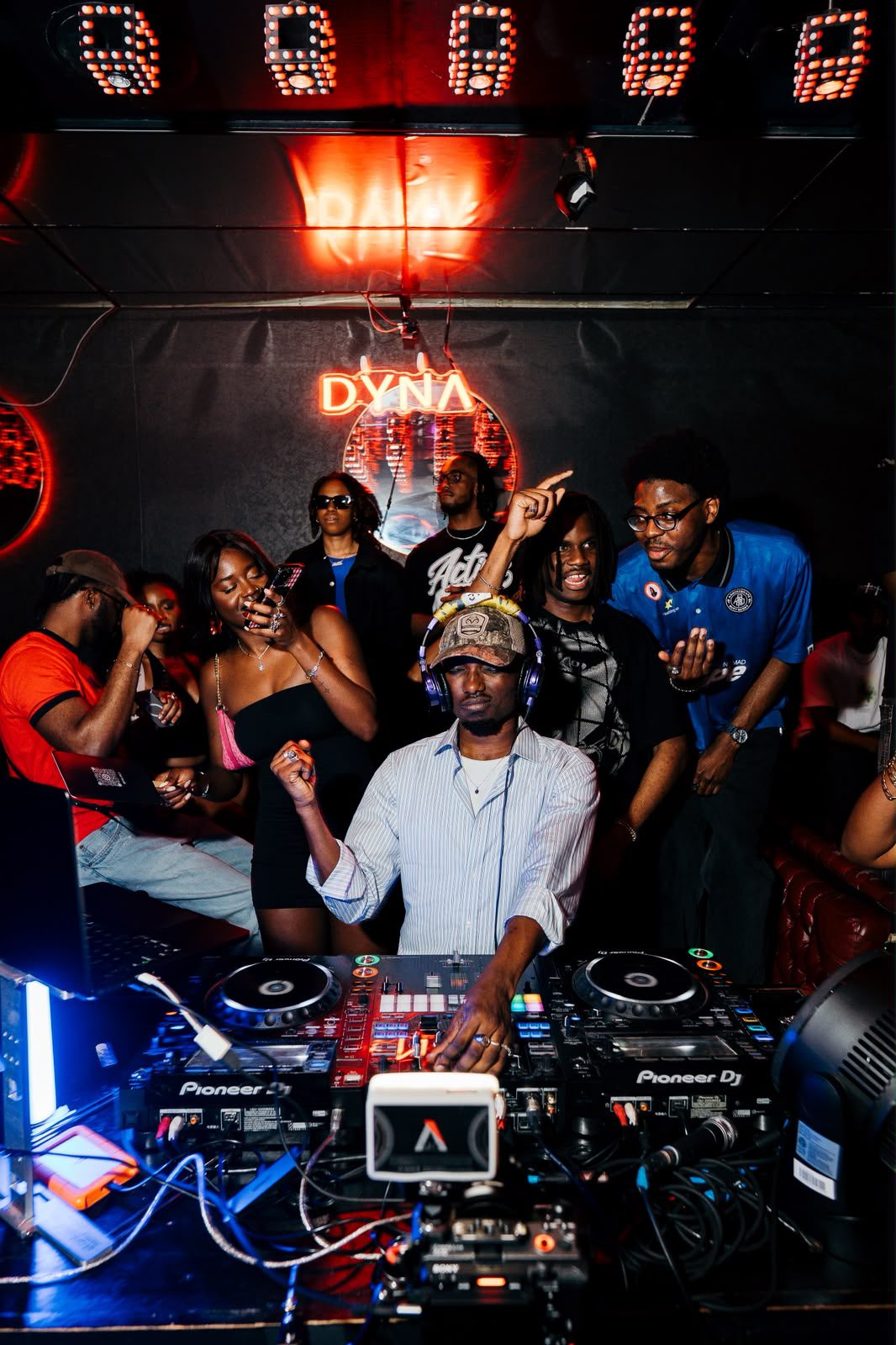
Over the past few years, Adeola has steadily carved out a space for himself within Toronto’s nightlife and music community. Known for sets that move effortlessly across genres, he has built a reputation for understanding not just the music, but the people listening to it. Whether performing at clubs, parties, or cultural events, his approach is rooted in preparation, adaptability, and a deep curiosity about how music connects people.
Behind every set is hours of research, practice, and constant discovery. DJing extends far beyond selecting songs for the young creative but rather it’s about reading a room, responding to energy in real time, and creating experiences that linger long after the night ends.
In this edition of Offstage, he reflects on the unexpected path that led him behind the decks, the realities of building a career in music, and the pursuit of growth both as a creative and as a person.
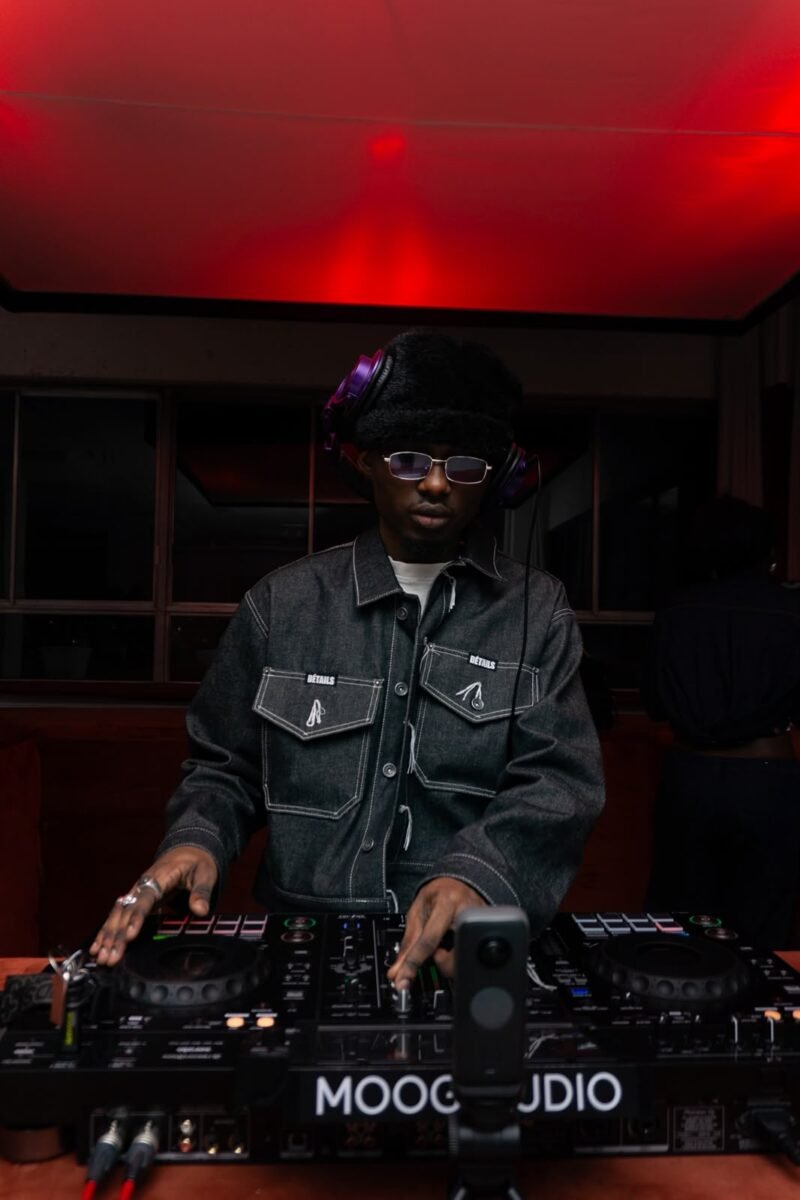 What originally pulled you into DJing beyond just loving music or being in the crowd?
I would say a combination of luck and circumstance. I worked for a couple of months as a diplomat and project manager at the UN. When my time at the job was done, whilst having a lot of free time, I was going out a lot more to parties & concerts and found myself at a concert for the artist Cautious Clay at the Mod Club. That night, I ended up talking to a lot of strangers and oddly enough the consensus was that based on my interests, I should try my hand at becoming a DJ. I had never actually even considered it till that day.
What does your preparation process look like long before you plug into the decks or step into the booth?
Prep usually looks a bit different for me from event to event. I usually make a pool of songs that I currently like, then add songs that I know the audience already likes, and then add songs based on the style of music the event usually plays. Finally, I have practice sessions where I see what feels the best for the flow/order of the songs. I do all of this to have a good base and so when it’s time to perform, I can confidently pivot to any direction the atmosphere calls for
Where do you usually draw inspiration when building a set?
Everywhere, really. I draw inspiration from many sources like the radio, other DJ’s sets, mall music, my old playlists, music from games, movie soundtracks, and my friends. Anything that sounds good to me or causes me to think could inspire me.
What’s the most underestimated part of being a DJ that people outside the scene rarely notice?
I would say the most underestimated part of being a DJ is the ability to be adaptable. I think the DJs who are able to read rooms and think quickly on their feet to provide exactly what’s needed are the best at the craft. Even if you play only one genre, knowing when to pick things up or take it slow is a solid skill that often goes overlooked
What’s the biggest challenge you face right now that has nothing to do with crowd reaction or recognition?
The biggest challenge for me right now would be keeping my sets fresh and enjoyable for the people that come out to watch me perform. It’s really easy to fall into a lull and get comfortable but it’s very important to me that the people that make an effort to come and see me enjoy themselves at the events I’m playing and leave with good memories they can fall back on.
When things don’t go as planned mid-set or behind the scenes, how do you stay composed and adaptable?
I fall back on all the hours of practice and research that I’ve done up until that point. I’m not really the kind of person who tends to panic, I get a little anxious sometimes but I remind myself that I know what I’m doing. I also have many contingencies in place for different situations; I’m able play on any industry standard equipment, I bring extra cables, extra chargers, multiple usbs and if need be, I can DJ straight from my laptop.
What sacrifices have you made that people don’t associate with DJ culture or nightlife?
I think the clearest one that comes to mind is stability. When people see you performing, they often don’t see the uncertainty behind it. The fear of not really knowing when the return on the invested time, effort, and a lot of the time, money will come sometimes get to me but it used to a lot more in the beginning.
What does “success” look like to you?
Success is the people that reach out to tell me after the set saying that they enjoyed themselves, its the people who say they came just for me or that they travelled or spent money to see me or went out of their way in any capacity to be there to see me play, it’s also the continued opportunity to perform and express myself on different stages in front of multitudes of people.
What’s the next level you’re working toward creatively, mentally, or professionally?
I think the next level for me is becoming more refined and intentional about the things I take part in. I’m looking to grow with more purpose, become even better, and be fully present in the opportunities and experiences that come my way. I also want to be able to have better balance for the work and the other aspects of my life