Afrobeats has entered its AI cover art era, and if Twitter/X is anything to go by, fans are already exhausted by it.
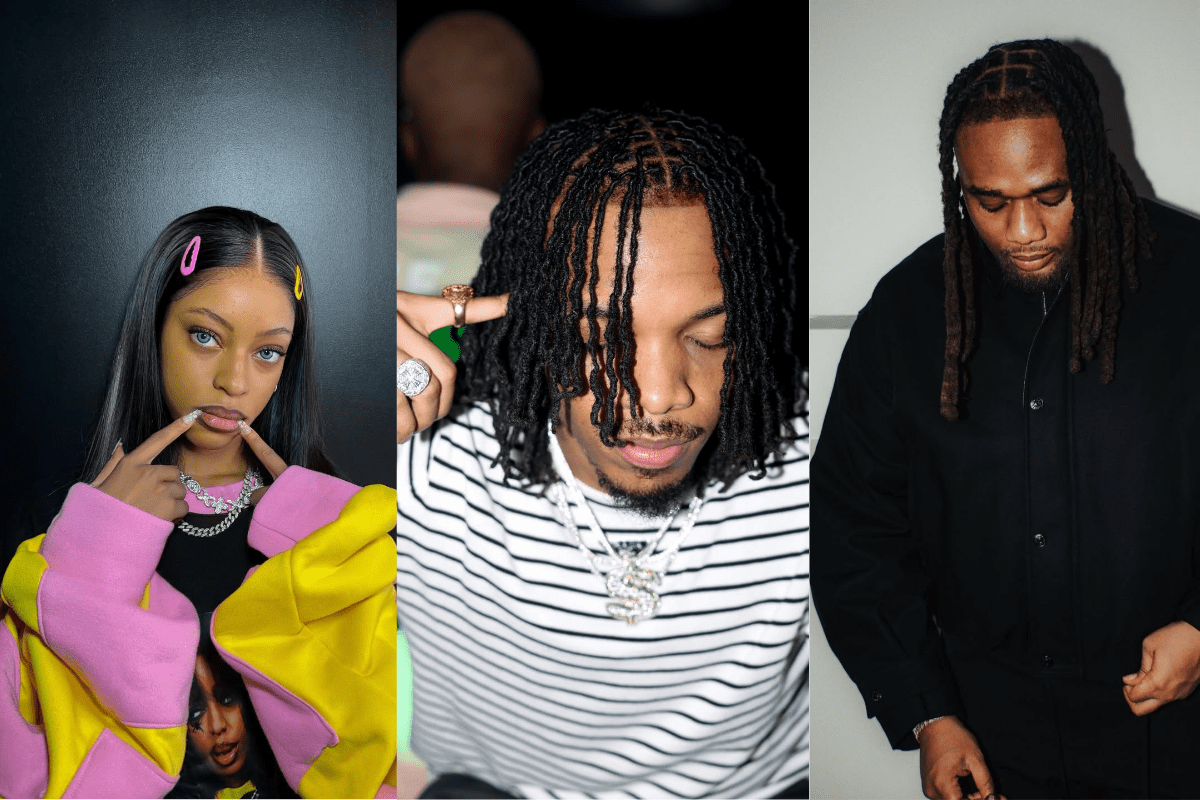
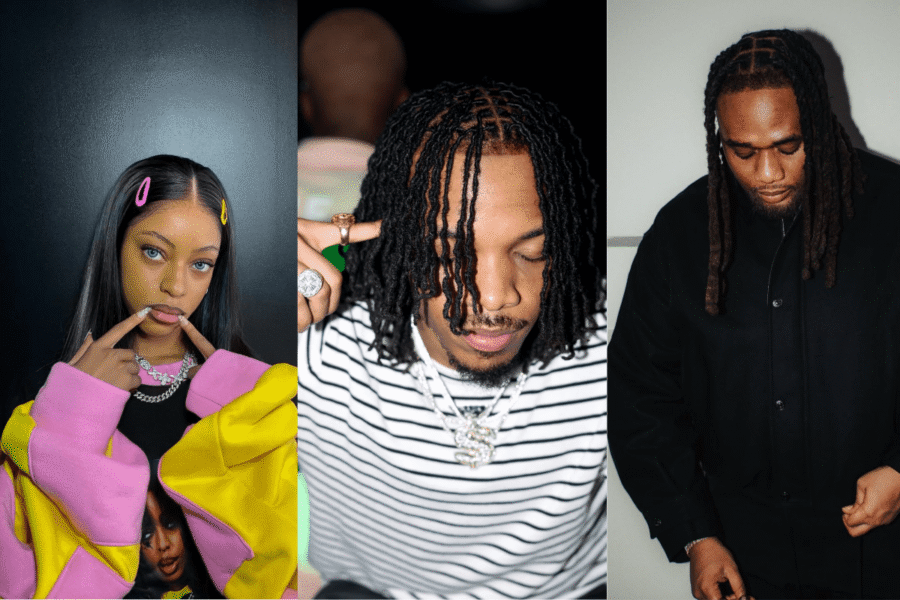
The backlash has been brewing for months now, slowly building through quote tweets, memes, and side-by-side comparisons. When the artwork for “Come Slide”, the collaboration between Qing Madi, BNXN, and Victony surfaced online, the reaction was immediate. The image carried all the familiar traits audiences now associate with AI-generated visuals: hyper-synthetic lighting, over-smoothed textures, and that oddly cinematic emptiness common with generative art platforms.
Then the backlash escalated further when BNXN himself appeared to distance himself from the artwork. According to conversations that circulated online after the release, the singer reportedly criticized the quality of the visual, with the original cover eventually being replaced by a much simpler text-based design.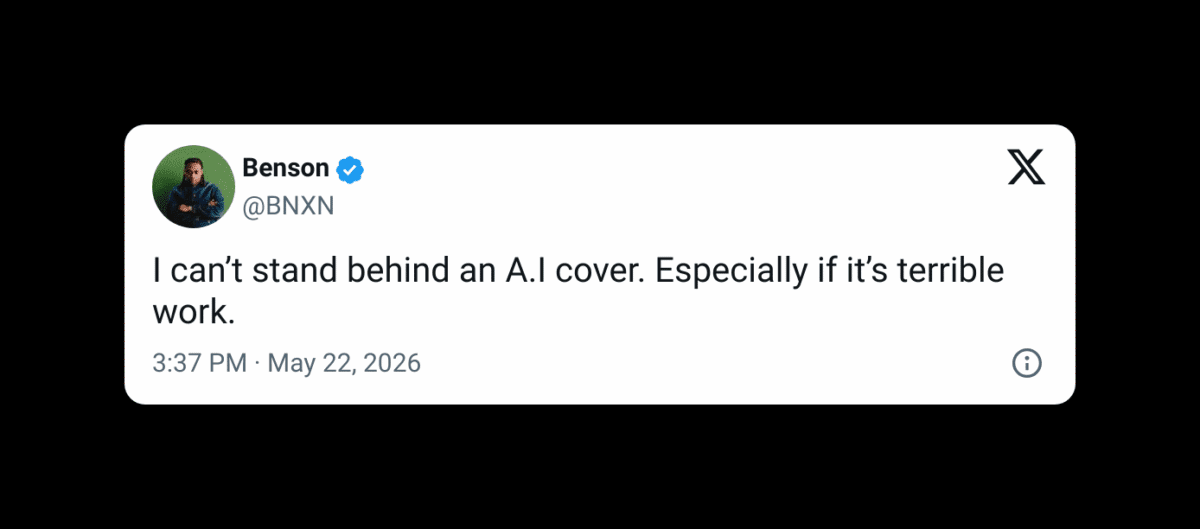 Suddenly, the issue wasn’t just Twitter users overreacting to technology. It became an example of how uncomfortable even artists themselves are becoming with AI aesthetics entering music culture so aggressively. And Qing Madi’s situation was not isolated. Zlatan’s “Dem0ns” artwork which also featured Qing Madi faced similar accusations online. Around the same time, Larry Gaaga’s promotional materials also triggered conversations about obvious AI usage, with people criticizing the increasingly artificial direction of Afrobeats artwork. Tekno faced similar scrutiny too, particularly because fans felt some recent visuals carried the same generic machine-made atmosphere .
The genre’s listeners have unexpectedly developed a kind of collective visual literacy around AI-generated aesthetics. Afrobeats is not a genre that treats cover art as disposable packaging. Visual identity has always been part of the music itself. Entire eras of Nigerian music are remembered aesthetically. This has all been a part of the culture. That is why the AI backlash feels emotional. Fans are not debating software capabilities. They are reacting to what AI art represents: speed replacing process and convenience replacing collaboration. And nowhere is that tension more obvious than on Twitter/X, where AI-generated visuals are increasingly treated like a creative red flag.
Ironically, AI art fails in Afrobeats for the same reason Afrobeats itself became successful globally: personality. The genre thrives on imperfections, vocal textures, slang, swagger, charisma, emotion, atmosphere. Fans want to feel the presence of real people behind the music. So when artwork starts looking algorithmically generated, audiences subconsciously begin questioning the authenticity of the rollout itself. That suspicion becomes even sharper because the Nigerian music industry is heavily dependent on freelance creatives. Behind every major release are photographers, designers, retouchers, stylists, motion artists, creative directors, and illustrators building careers through music culture. To many fans, AI-generated cover art feels more like replacing those creatives with prompts.
And yet, the rise of AI in Afrobeats visuals also feels inevitable. The industry moves at brutal speed now.
Artists are expected to constantly release teasers, snippets, covers, trailers, lyric videos, social media graphics, and campaign materials. AI dramatically reduces the time and cost required to produce those visuals. A struggling artist can generate ten cover concepts overnight instead of paying for a full creative team. That convenience is exactly why the trend will probably continue. But for now, audiences remain skeptical especially when the AI usage is obvious.Because what fans are ultimately demanding is not perfection. Ironically, AI already delivers perfection too easily. What people still want is intention, texture and human taste. Evidence that somebody actually sat with an idea long enough to shape it. And that may be the biggest irony of this entire moment.
At the exact point where Afrobeats is becoming more global, more digitized, and more optimized for streaming algorithms, fans are becoming more sensitive to anything that feels emotionally automated.
The music industry may embrace AI because it is fast. But Afrobeats audiences are resisting it because they can still recognize when art feels alive.