Nigeria’s entertainment industry has long operated on a single assumption: that Lagos is where it happens, and everywhere else is waiting to catch up. That assumption is worth interrogating.
While Lagos remains the country’s dominant entertainment center, other cities have spent years quietly building ecosystems of their own. Abuja, Benin, and Port Harcourt have produced genuine stars, yet most of them eventually relocated to Lagos to chase the Afrobeats wave globally. Lagos remains where the industry congregates and where most international attention is focused. But Nigerian entertainment does not begin and end there.
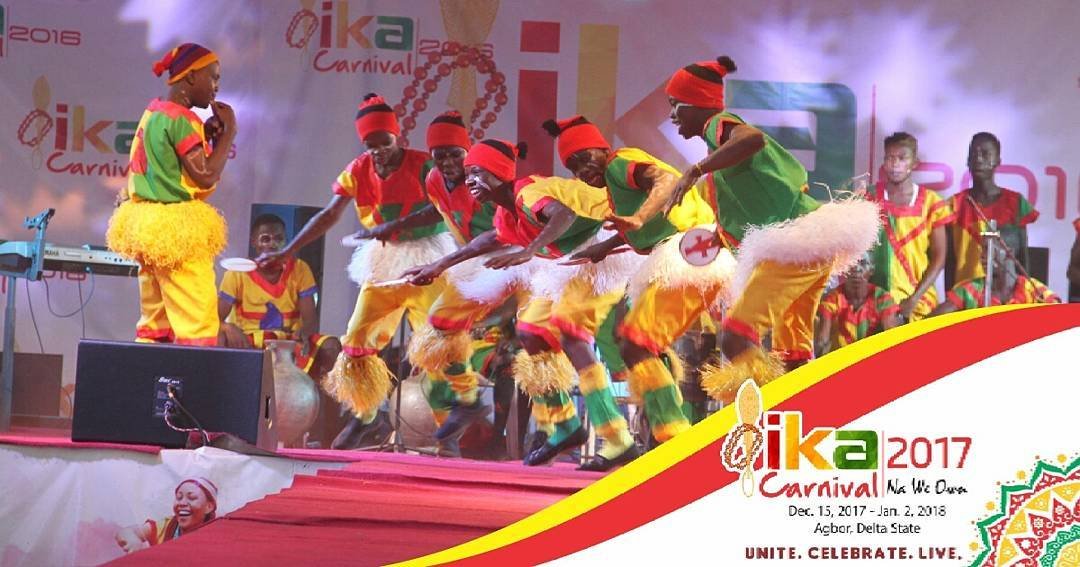
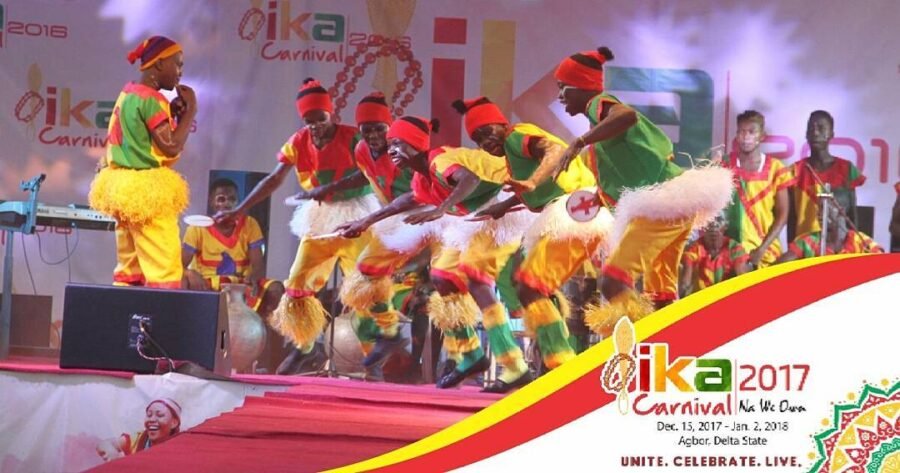
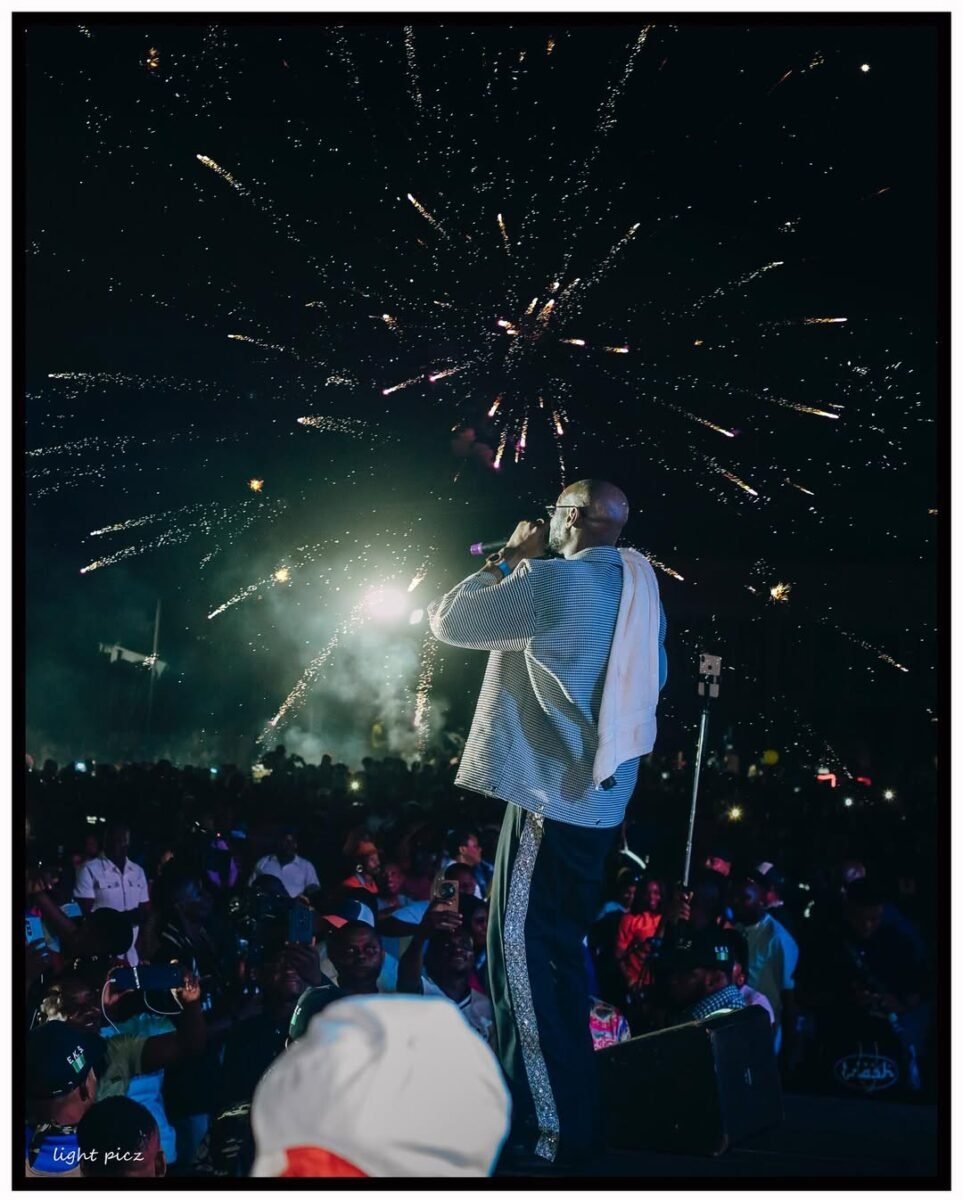
Across the country, far from Lagos Island’s commercial corridors, different entertainment cultures are quietly taking shape. Delta State offers a clear example. Asaba, the state capital, has long been home to a thriving Nollywood production scene — significant in its own right, but a film ecosystem rather than a music one. Beyond Asaba, in smaller cities like Agbor, the infrastructure that makes an entertainment scene sustainable is still forming. Yet the demand is undeniable. The appetite for entertainment in cities outside Lagos is visible in the communities themselves. In Agbor, the Ika Carnival — later reintroduced as the Ika Youth Carnival, became one of the region’s most visible entertainment gatherings. At its peak the event drew over 200,000 attendees annually according to organizers, attracting established national acts across its 19-day run. After nearly a decade of dormancy it returned in 2025, with Peruzzi, 2Face, and Solidstar on the lineup. The crowds came back just as they had before. Its talent showcases remain one of the few formal stages where emerging creatives can gain visibility.
 Warri presents another example of how entertainment ecosystems outside Lagos already function at scale. The city has built a strong identity around comedy culture while maintaining an active music scene that continues to produce nationally recognized talent. Warri Again, a long-running entertainment platform established in 2013 by Brownhill Events Inc., has hosted more than 24 editions, attracted over 100,000 cumulative attendees, and featured more than 200 artists across its Independence and Christmas editions. Artists such as Erigga, Victor AD, Harrysong, and Yung6ix built strong regional audiences before receiving wider national recognition — reflecting a broader pattern in Nigeria’s entertainment landscape: talent often develops outside Lagos long before national attention follows. Asaba offers a different model entirely. The city emerged as a major Nollywood production center in the late 2000s as filmmakers moved away from Enugu in search of lower production costs and easier logistics. What makes Asaba particularly notable is not just the volume of films produced there, but the infrastructure that developed around that demand. Hotels adapted to accommodate long-term production crews, transport providers built businesses around film logistics, and residential properties increasingly evolved into dedicated film houses. The ecosystem grew large enough that audiences outside Delta State now casually refer to it as “Asaba Nollywood” — recognition that the city built its own production identity without waiting for Lagos to validate it first.
Taken together, cities like Agbor, Warri, and Asaba point toward the same conclusion: the challenge outside Lagos is rarely the absence of audiences, talent, or culture. The real gap is structural — a shortage of creative professionals, business frameworks, and sustained investment that can turn regional energy into lasting careers. Most artists in these cities love making music but operate without the industry knowledge, distribution strategies, or career infrastructure that their Lagos counterparts access more readily. That gap does not reflect a lack of ambition. It reflects a system that has not yet invested in them equally. The demand exists. The talent exists. The audiences are already showing up. What Nigerian entertainment needs now is a deliberate effort to build the infrastructure that matches what these cities have already proven they deserve.
Because outside Lagos, entertainment is not waiting to exist. In many places, it already does. The question is whether the industry will meet it there.