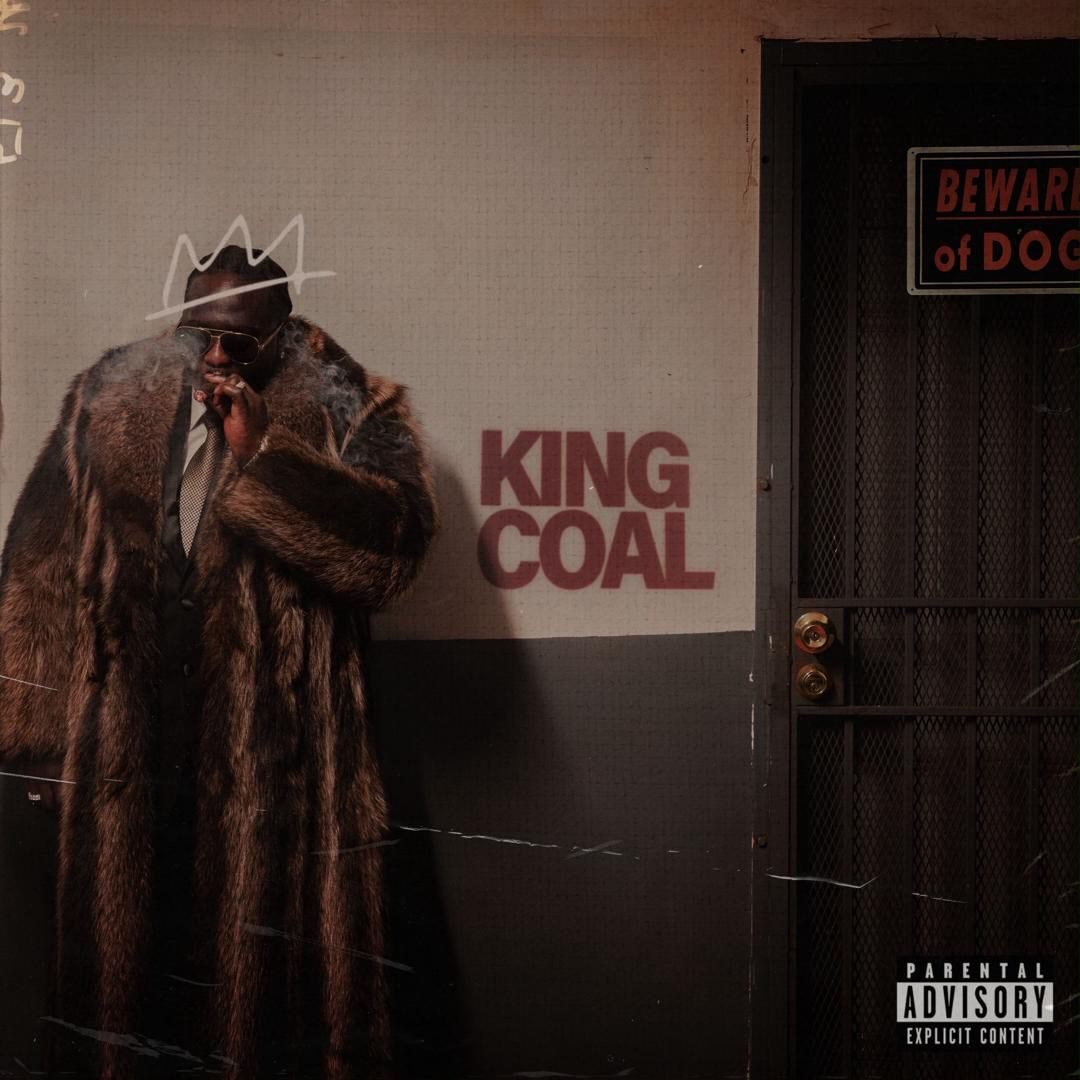
There’s little debate about Wande Coal‘s place among Nigeria’s greatest vocalists. Across generations of artists, his name is often mentioned as the benchmark for exceptional singing, earning admiration from both his peers and a new wave of musicians. His vocal ability has become so widely recognized that phrases like “Shey you sing pass Wande Coal?” have entered everyday conversations, used as the ultimate test of a singer’s talent. Ironically, that reputation can sometimes overshadow the full extent of his artistry. Because many listeners associate Wande Coal with infectious pop records and radio-friendly hits, it’s easy to overlook the technical control, effortless melodies and emotional depth that have defined his career. Yet beneath those familiar records is a vocalist whose greatest strength has never been volume or vocal gymnastics, but the ability to make even the simplest melodies feel rich and memorable.
With KING COAL, Wande Coal isn’t trying to introduce himself to a new generation. Instead, the album feels like the work of an artist fully aware of his strengths, choosing refinement over reinvention. Across the project, he comfortably explores different sounds, moving between ballads, R&B, dancehall and Afropop without losing the vocal identity that has defined his career. The album’s opening run establishes that identity almost immediately. “FEELINGS” opens with an intimate confession of love, as Wande Coal moves effortlessly between English and Yoruba over soft guitar, subtle percussion and layered harmonies. The restrained production leaves plenty of room for his vocals to shine, making for a warm and emotionally engaging introduction. That intimacy carries into “Dearly,” an R&B duet featuring Qing Madi, where the chemistry between both artists unfolds like a heartfelt conversation between two lovers rather than two separate performances. By the third track, the album begins to open up sonically, introducing richer instrumentation with trumpet flourishes, heavier percussion and a more pronounced bassline. While the arrangements become fuller, the sequencing remains intentional, allowing the album to evolve naturally without losing the warmth and emotional depth established from the outset.
As the album progresses, it gradually shifts into more dancehall-inspired territory without abandoning the intimacy established by its opening run. The fourth track pairs Wande Coal with Tiwa Savage, whose effortless chemistry and smooth delivery make her a natural fit for the album’s romantic direction. By the fifth track, the mood becomes more assertive, with Wande stepping into a confident, celebratory space as he reflects on his status and success. The addition of Jamaican artist Projexx reinforces the record’s Caribbean influences, giving the song an authentic dancehall flavour while expanding the album’s sonic palette.
As the album evolves, Wande Coal pivots away from its soulful and dancehall-leaning opening into a brighter, more energetic Afropop stretch. “GBESUNMO,” featuring Ruger and BNXN, injects fresh momentum into the project, with both guests fitting naturally into the song’s carefree energy rather than feeling like additions for star power alone. That momentum carries into “6IX” featuring LAZ, further cementing the album’s shift toward upbeat, club-ready records. The nostalgic bounce of “DEM GO PAY” recalls the feel-good Afropop records that dominated the early 2010s, almost serving as a nod to the era that helped define Wande Coal’s career. “Money,” featuring Dera, keeps the energy high, completing the album’s transition from intimate ballads to dancefloor-ready anthems. While these records thrive on infectious grooves and replay value, the songwriting takes a back seat, favouring simple, catchy phrases over lyrical depth. It feels like a deliberate choice—this section of the album is designed to make listeners move rather than pause to unpack the lyrics.
The run of dancefloor-ready records continues with “Porsche Panamera,” where warm chord progressions meet bouncy drums, while Wande Coal reintroduces the familiar vocal chants that have become part of his signature. The energy remains high, but the album begins to show signs of repetition. That repetition becomes more noticeable on “Sure For Me” featuring Fido. While the record is undeniably catchy, lines like “soft like bread Agege” lean on familiar Afrobeats expressions, making the songwriting feel less distinctive. Towards the closing verse, Wande sings, “Omo nothing fit worry me, I no go fall, even wall of Jericho fall,” a line that feels thematically inconsistent and leaves its intended message open to interpretation. It doesn’t derail the record, but it is one of the few moments where the writing doesn’t quite match the strength of the production.
“Balenciaga” slows the pace, returning the album to a mid-tempo Afrobeats groove before “Crime” and “Questions” revisit the intimate storytelling that defined the opening stretch. By the closing track with Wizkid, Wande Coal signs off with another energetic, Mara-influenced dance record driven by heavy synths and infectious rhythm. Like much of the album’s second half, the focus isn’t lyrical complexity but creating records built for movement, replay value and the dancefloor.
Rather than proving that Wande Coal can still keep up with today’s Afrobeats landscape, KING COAL proves something more important: he never really left the conversation. The album may not be his most ambitious body of work, but its blend of soulful ballads, dancehall grooves and infectious Afropop is anchored by a voice that remains one of the genre’s finest. In an era where many artists chase constant reinvention, Wande Coal reminds listeners that consistency, when backed by genuine talent, can be just as powerful.