Every year, the Nigerian music industry seems to follow a familiar rhythm. The first six months are often filled with singles, collaborations, tours and anticipation. Then, as the calendar moves into July, the pace changes. Major album announcements begin to appear, release dates are revealed, and before long, some of the country’s biggest artists are competing for listeners’ attention. It is a pattern that has quietly become part of the industry’s release strategy.
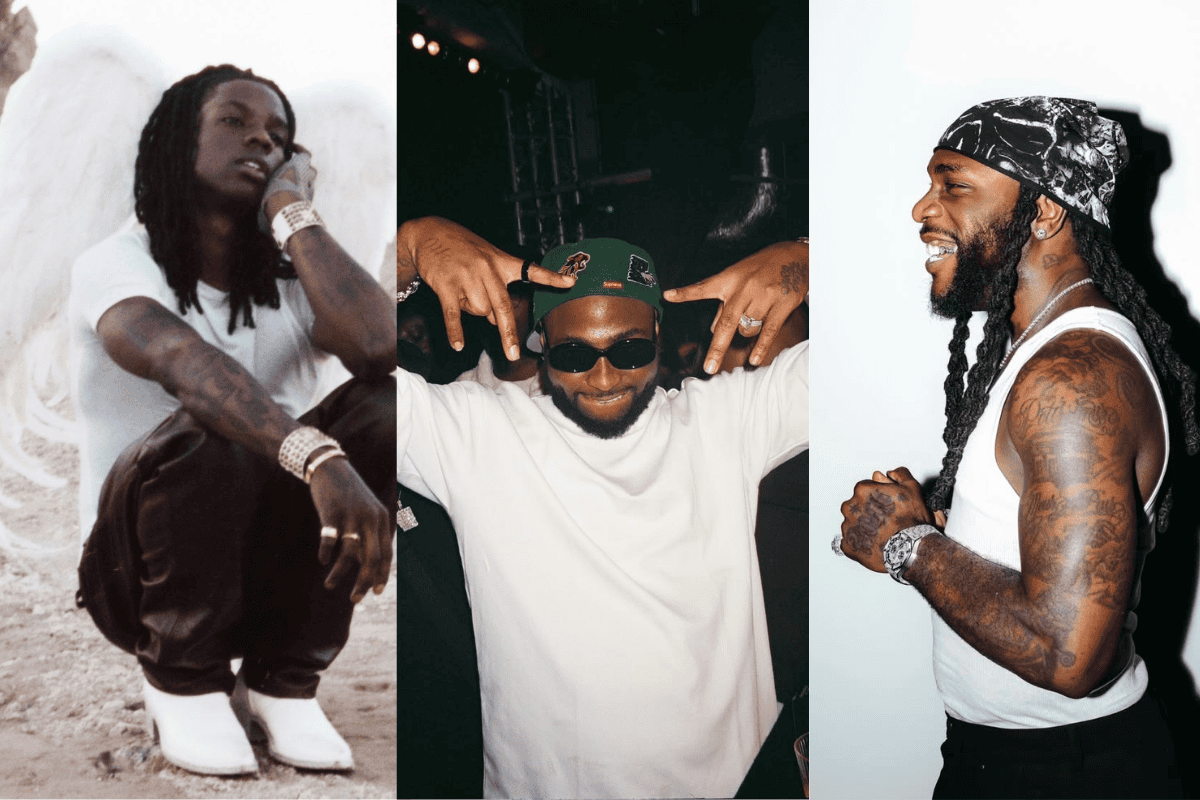
In recent years, many of Nigerian music’s biggest projects have arrived during the second half of the year. Davido released A Good Time in November 2019, A Better Time in November 2020 and most recently Oriade at the end of July 2026. Wizkid’s Made in Lagos arrived in October 2020, followed by More Love, Less Ego in November 2022, the S2 EP in December 2023 and Morayo in November 2024. Burna Boy has consistently chosen a similar window, releasing Love, Damini in July 2022, I Told Them, in August 2023 and No Sign of Weakness in July 2025.
The pattern extends beyond the “big three.” Rema’s HEIS arrived in July 2024, Olamide released Unruly in August 2023, while Tems has also favoured the latter part of the calendar with For Broken Ears arriving in September 2020 and Love Is a Kingdom in November 2025. Looking at these releases together, it becomes difficult to dismiss the timing as coincidence. The obvious question is: why?
Part of the answer lies in the Nigerian entertainment calendar itself. The second half of the year naturally builds toward the country’s busiest period for music consumption. By December, concerts dominate major cities, nightlife reaches its peak, Nigerians in the diaspora return home, brands increase entertainment spending and audiences are actively searching for new music. Releasing an album between July and November gives artists enough time to build momentum before the festive season begins. An album released in July does not become a cultural moment overnight. It needs time to breathe. Singles need to climb radio charts, DJs need to test records in clubs, dance challenges need to circulate across social media and audiences need to develop a connection with the music. By the time December arrives, those songs are no longer new—they have become familiar, making them perfect additions to concert setlists and party playlists.
Rema’s HEIS offers a good example. Beyond its commercial success, the project’s energetic production, driven by heavy percussion, fast-paced drums and infectious rhythms, quickly found a home in clubs and parties. By the time the year approached its busiest entertainment period, many of its records had already become staples within nightlife culture. In many ways, the timing of the release complemented the sound of the project itself. The second half of the year also presents artists with stronger commercial opportunities. Major concerts, festivals and end-of-year events create more performance opportunities, while fresh albums provide new material for live shows. From a business perspective, an artist entering the festive season with a recently released project is often in a stronger position than one relying solely on older records.
This strategy, however, creates another interesting dynamic. As more artists identify the second half of the year as the ideal release window, competition inevitably intensifies. Albums are no longer competing only on musical quality; they are competing for playlist placements, media coverage, radio rotation, social media conversations and listeners’ limited attention. In a crowded release calendar, even outstanding projects can struggle to dominate the conversation for long. Streaming has undoubtedly changed how music is consumed, allowing successful projects to enjoy longer lifespans than in previous decades. Yet the calendar still matters. Timing remains part of marketing, and release dates have become strategic business decisions rather than administrative details. Perhaps that is why the Nigerian music industry continues to gravitate toward the second half of the year. It is where commercial opportunity, audience behaviour and cultural moments intersect.
As another release season unfolds, one thing is becoming increasingly clear: in Nigerian music, the second half of the year is no longer simply the end of the calendar. It has become the industry’s biggest stage.