Llona has built his identity around honesty. From his early days as Tooclasiq to “Comforter,” “HBP” and his 2024 debut Homeless, his music has consistently been rooted in struggle, survival and personal reflection. Homeless connected deeply with listeners because its songs felt like reassurance for people going through their own difficulties. That success created a difficult question for his second album: how do you evolve without abandoning the very identity that made people connect with you?
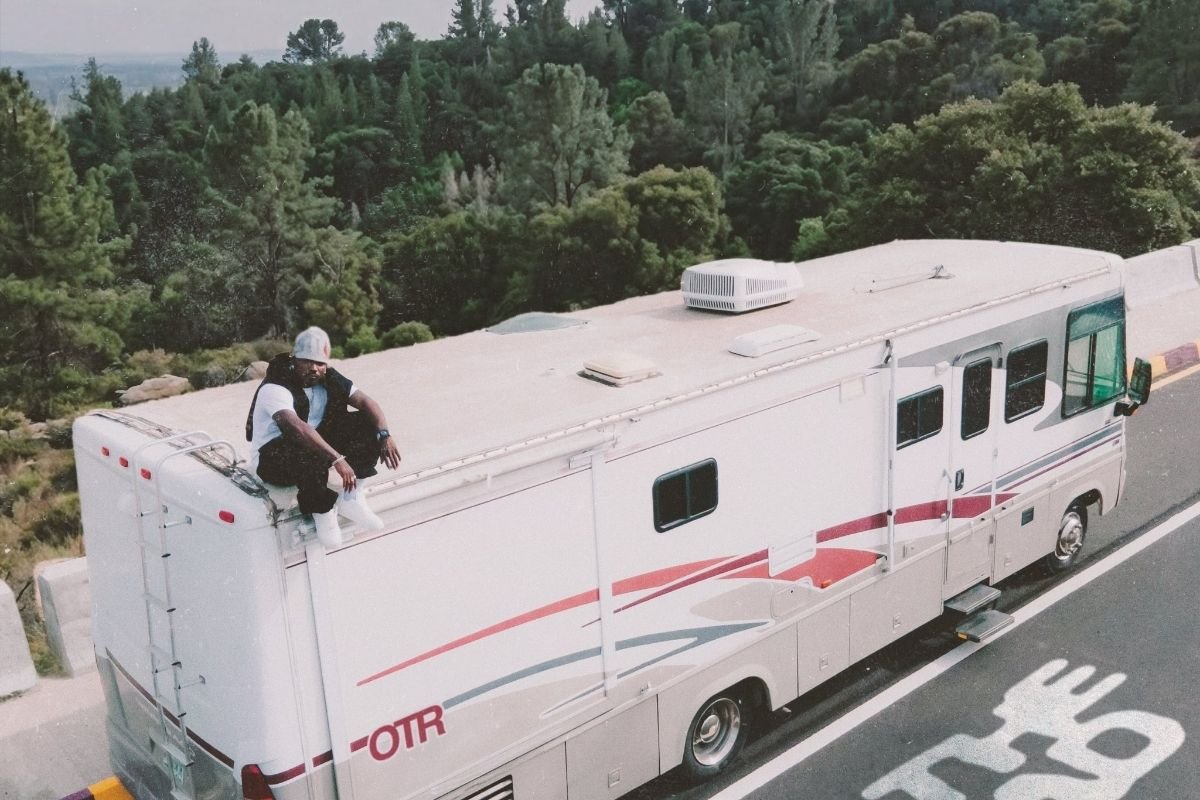
On The Road appears to answer that question through its concept. The rollout presents Llona as someone leaving one chapter behind and moving towards another. The bus becomes the centre of the visual world, from the interactive pre-save experience to the album trailer, where Llona leaves with his manager while his family remains behind. Even the title suggests movement. But once the music begins, the journey feels less like moving forward and more like looking back. “Monster or Not” immediately carries the bus concept into the music, opening with the sound of a vehicle stopping before Llona reflects on the environment that shaped him. Over grand piano and laid-back drums, he questions whether suffering has turned him into the person others now perceive him to be. “Anger Management” continues that conversation, turning inward as he confronts trauma, anger and his desire for peace. The therapist’s voice in the middle of the song adds another dimension to his self-examination. “Cry,” featuring Black Sherif, expands the theme into the pressure of growing up too quickly. Both artists explore the expectations placed on young men to remain strong even when they are struggling internally. “Different Pictures” then looks back at friendship, poverty and ambition, contrasting the days of chasing dreams with the loneliness that can accompany success. The recurring pipa melody, strings and warm bassline give the song a nostalgic character.
Then comes “Turbulence,” where Llona changes posture. The vulnerability gives way to confidence and confrontation as he speaks about survival, discipline, boundaries and refusing to be underestimated. Yet even here, the subject remains familiar: everything he has become is still being explained through what he had to survive. That pattern continues through the middle of the album. “True Colors” explores distrust and a relationship falling apart, while “Masculine Love” presents love as both comfort and another source of pain. “Look At Me,” featuring Fridayy, expands the conversation into friendship and loyalty, with Llona questioning who he can trust and asking whether someone can handle the things he carries privately.
By “Pressure,” the album’s recurring themes become almost impossible to separate. Llona sounds exhausted as he deals with expectations, fear, family responsibility and the pressure that comes with the life he is chasing. “My conscience is my weapon” captures the conflict perfectly: he wants to survive without losing himself. “N****s Don’t Get Love” pushes that idea further, describing fame itself as a form of imprisonment. “Won’t Die” then becomes a statement of resilience, with Llona recognising the power of his music while still admitting that part of him wants to escape and find peace.
Finally, “What Do I Do?” brings the journey to its destination—or at least asks what that destination should be. Llona acknowledges the success he once prayed for: the crowds, the fame and the recognition. Yet the central question remains: “What do I do from here?” It is an appropriate ending for an album built around transition.
And perhaps that is where On The Road becomes most interesting. Llona has not abandoned the sound or writing style that made Homeless resonate. The lyrics remain well written, the messages are clear and the production gives each idea its own atmosphere. But across twelve tracks, he repeatedly returns to the same territory: pain, trauma, heartbreak, distrust, survival, loneliness and the struggle to maintain his identity. The problem is not that these subjects appear again. The problem is that they rarely feel like they are being explored from a significantly different perspective. Different beats and arrangements surround many of the same ideas, creating the feeling of Homeless 2.0 rather than a completely new chapter. Even the album’s relatively consistent tempo contributes to this. There are moments of beautiful instrumentation—the piano, acoustic guitar, pipa, strings and bass, but the project rarely makes a major sonic shift that changes the emotional direction of the journey. Still, On The Road should not be dismissed as a failed evolution. It sounds like an artist deliberately closing a chapter rather than abandoning it. The title, the rollout and the final question all suggest movement, even if the music spends much of its time looking backwards. Maybe this is Llona’s farewell to the version of himself that Homeless introduced. If so, the next journey will be the real test: can he finally step away from the pain that built his identity and show us who he becomes after surviving it? For now, On The Road is a well-written, emotionally honest continuation of a story Llona clearly isn’t finished telling.