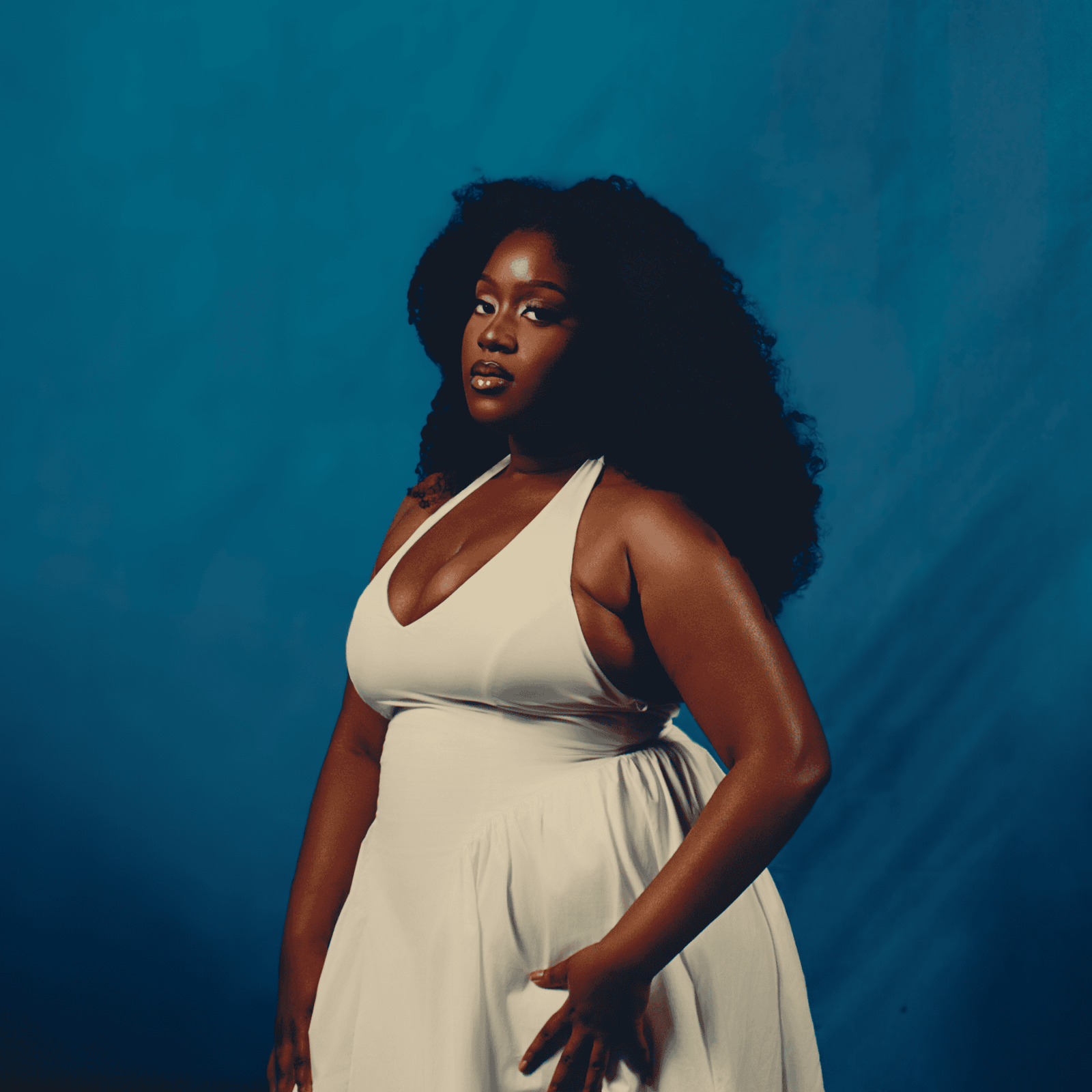
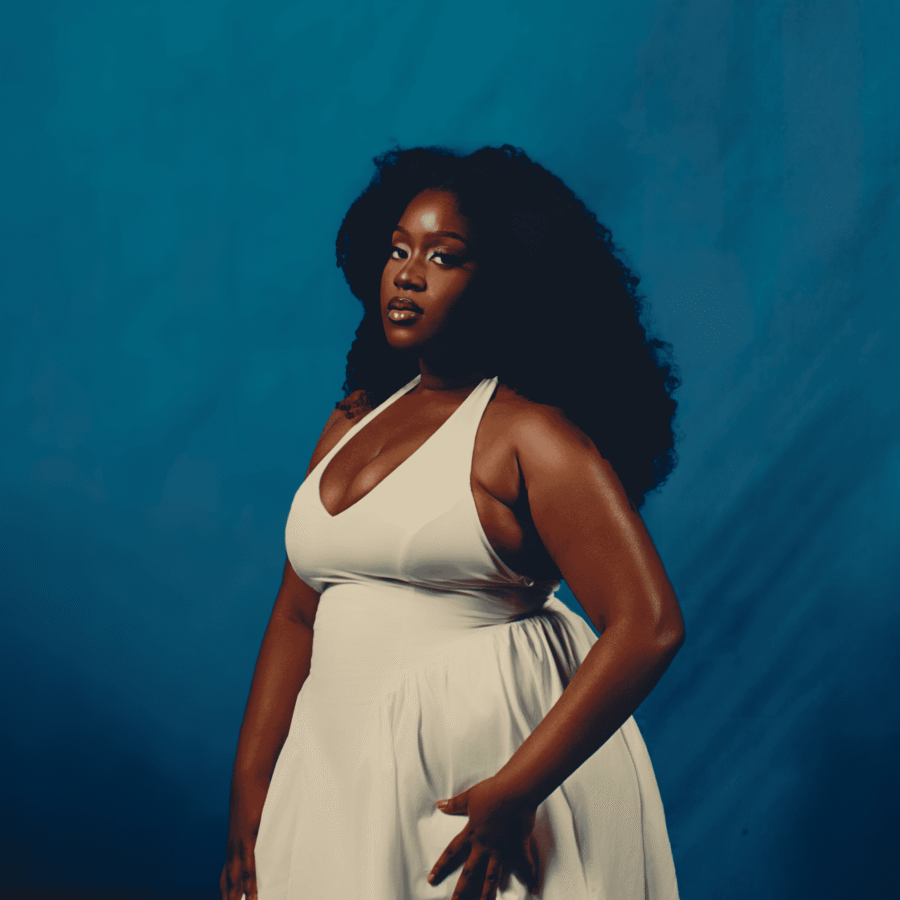
Finding your footing as an artist often means learning to trust yourself. For Africaine, that process has meant embracing the different influences that shape her from gospel and R&B to Afrobeats while making sense of the experiences that find their way into her music. Her debut EP, For Me, This Time, brings these parts of herself together in a project that explores heartbreak, self-worth and the journey towards acceptance.
Recorded largely in her home studio, the project gave the Nigerian-American artist room to experiment and work through her emotions on her own terms. There is a sense of growth in the way she approaches these themes particularly in the confidence that emerges through the harder moments. Rather than presenting healing as a straightforward process, the young artist allows its different stages to sit alongside one another reflecting the reality of figuring things out as you go.
When Digimillennials caught up with Africaine, she spoke about the experiences behind For Me, This Time, the influences that have shaped her sound, and the lessons she has learnt about herself since beginning her musical journey.
You’ve described For Me, This Time in a way that feels deliberate, almost like you’re affirming something for yourself and drawing a line. What did you want the title to represent about where you were in your life when you made the project?
I wanted it to represent vulnerability, reflection, and just holding space for yourself and other people around the world.
Your music pulls from R&B, and you also have your Nigerian heritage, alongside growing up in Connecticut and New York. You’ve been exposed to so many different backgrounds. How do these influences come together when you’re creating, particularly your gospel, Nigerian and American influences?
I love to just use everything. I don’t like to follow rules. I just like to pick from all my inspirations, especially the ones you mentioned. They’re all what make me who I am today. I’m not a singular person. I like to see myself as diverse, and I’m made up of all the experiences around me. I tie in that gospel element with my vocals, I study R&B singers, and I’m very inspired by Afrobeats. That’s what makes me the artist I am today.
Listening to the project, you can sense a lot of emotional movement. There’s heartbreak, confidence and joy. Did making this project change the way you understood some of these emotions yourself?
Yeah, it’s kind of like a diary. It’s my way of processing my emotions and my self-realization, so definitely.
I read that you made much of the project in your home studio. What’s it like working in that kind of private space?
All my music, I record myself. It’s very serene. I actually prefer it. I’m just by myself, and I don’t have to think about anything else. I’m free to experiment, I’m free to make mistakes. I prefer working in my studio.
I want to pick out some of the songs, starting with “Before.” I know it was written and recorded without an instrumental, which gives it a stripped-back feeling. What made you want to approach it that way and leave production out of the equation?
I just had an urge to sing that day. I didn’t want to wait for music or anything. I just wanted to get everything off my chest, and after I got it off my chest, we could see what we made of it. I thought it came out beautifully, even better than I imagined.
“Whatever” is another track I really enjoyed. It carries a sense of confidence, especially after being hurt. What was going through your mind when you wrote it?
“Whatever” was actually done in LA. We came up with it on the spot, and it was a beautiful experience. I was in LA, looking out at nature, and that view was really what inspired the song. Producing it with Rob was also a lot of fun.
“Give It Away” is your collaboration with Nonso Amadi. What did you want his presence to add to the song?
Honestly, I didn’t even expect that collaboration, but he did way more than I expected, to be honest. They surprised me with that collaboration, and we just decided to hop on it. I didn’t even know he was going to be on it. He elevated that song, and I’m very grateful to him.
Across the project, there’s an intimacy to the way the songs move from heartbreak to a more assured tone. How important was it for you to let your different sides show in this body of work?
I just wanted to express to listeners and people going through something similar that it’s okay to sit in how you’re feeling. There’s no linear road to healing. There’s no linear road to being okay. Sometimes, you just have to feel all the emotions before you get to the next phase of recovery. It’s about all the stages: grief, anger, denial and, finally, acceptance. That’s kind of what I wanted to portray with the project.
One thing I took away from the project is its strong thread of self-worth. It isn’t just confidence that appears out of nowhere, but a confidence that grows through difficulty. How has your relationship with confidence changed as an artist?
I’m less unsure now. I’m less scared. I feel like I know what I bring to the table. Doing music for this long has given me the confidence that I’m on the right track. I just need to put in more work, and I know I’ll get the results I want.
This is your first EP, so it gives us a clearer introduction to your world. Looking back on your journey, what do you understand about yourself now that you didn’t when you first started making music?
I think I’ve figured out my most efficient work rate and the way I work best. I’ve found out more about myself as an artist, my process, how I write, and the kinds of sounds I prefer. I’ve been able to understand the music I make more as I developed this project, as well as the lane I want to go into next.