For much of Nigeria’s music history, the biggest challenge was access. Artists depended on physical distribution networks, marketers, radio stations, and retail channels to get their music into the hands of listeners. At the center of that system was Alaba International Market, one of the country’s most influential music distribution hubs. If an artist could navigate those gatekeepers, the music had a chance to travel. Today, the gates have largely disappeared. Distribution platforms have made it possible for artists to release music globally from a laptop or phone. Access is no longer the problem it once was.
The challenge now is attention. Modern artists are competing in an environment where music is only one of countless things fighting for the public’s focus. A listener’s day is filled with TikTok videos, livestreams, trending conversations, comedy content, sports highlights, breaking news, and social media personalities commanding millions of views and engagements. At any moment, a major cultural conversation can pull attention away from everything else. In that environment, releasing a good song is no longer enough. The music still matters, but artists increasingly have to create reasons for people to notice it. That reality has changed the way music is marketed, promoted, and even discussed in Nigeria today.
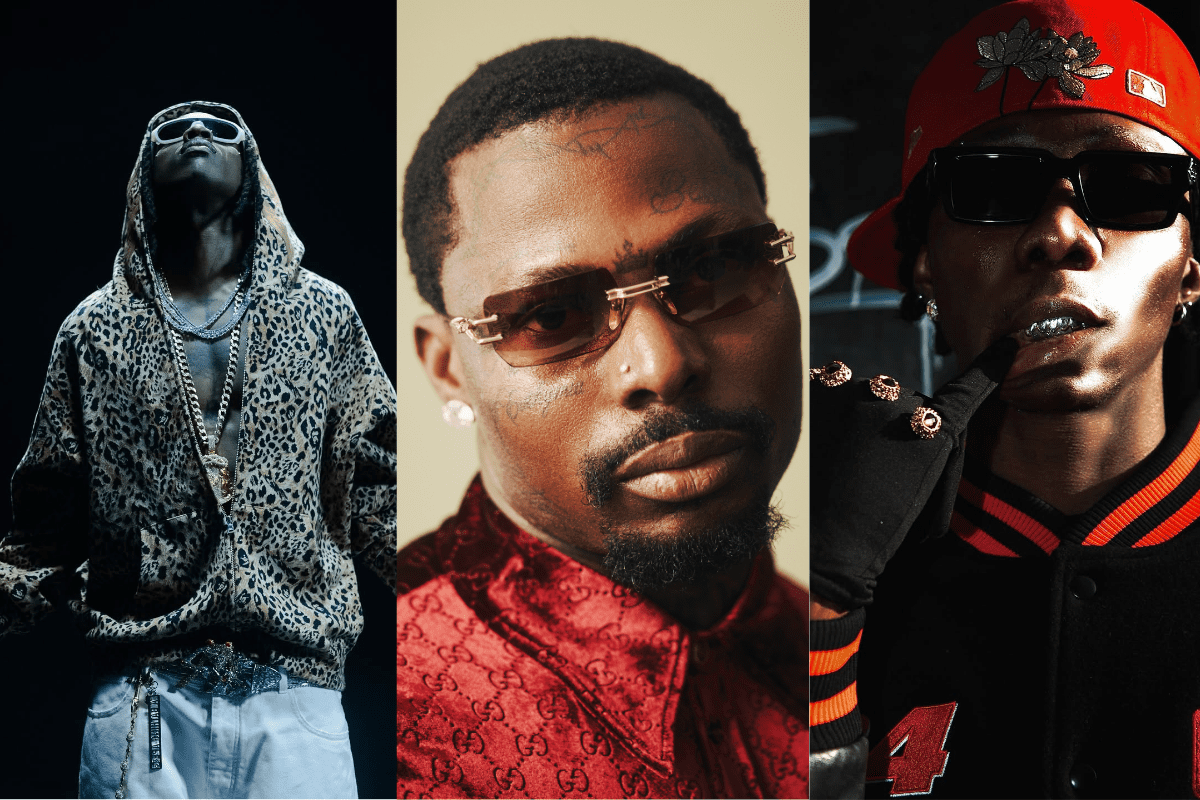
Rema’s HEIS offers one of the clearest Nigerian examples of this shift. Following the global success of Rave & Roses and Calm Down, many expected him to continue building on the formula that had already delivered one of the biggest Afrobeats records in history. Instead, HEIS arrived as a sharp departure. Through interviews, performances, symbolism, and online conversations, the project was positioned as more than just another album release. Rema openly discussed his desire to explore a more energetic and aggressive creative direction, drawing inspiration from the feeling certain genres gave him while reconnecting with the intensity that characterized earlier eras of Nigerian music.
The album introduced a darker visual identity, recurring Bat symbolism tied to his Benin roots, bold statements about his place within Afrobeats, and a sound that immediately divided opinion. Some listeners praised the creative risk-taking. Others questioned the direction entirely. Debates emerged around the album’s aesthetics, symbolism, artistic evolution, and what it meant for Rema’s future. Whether people loved it or criticized it, they were paying attention. That distinction matters. Fans were not only engaging with the music; they were engaging with an idea, an identity, and a story. In an industry where attention is increasingly scarce, HEIS was not simply released into the market — it became a cultural conversation.
Asake’s M$NEY era demonstrates a different approach to the same challenge. Even before the album arrived, conversation had already begun. His departure from YBNL sparked widespread discussion about his future, with fans and industry observers debating whether he could maintain his momentum outside the label structure that helped launch his rise. The introduction of his own imprint, Giran Republic, added another layer to that narrative, shifting attention toward his next chapter as an independent force. Rather than disappearing between releases, Asake continued to create moments that kept audiences engaged. Changes to his appearance, evolving fashion choices, new tattoos, military-inspired branding, and a more deliberate visual identity became recurring topics across social media. His appearance on Korty’s YouTube platform, where he conducted much of the conversation in Yoruba, further reinforced an image of an artist embracing his roots while operating on a global stage.
The rollout itself extended beyond the album. Asake’s Red Bull Symphonic performance reimagined his catalogue with a full orchestra and introduced audiences to new material before release. He later teamed up with Wizkid for the joint EP REAL, Vol. 1, a collaboration that generated significant discussion across the industry and added momentum heading into the album cycle. When M$NEY finally arrived, the project was already carrying months of conversation. Luxury-driven visuals, reports of a listening event staged inside an airport hangar, an all-white dress code, and a carefully executed countdown campaign that gradually revealed the album artwork all helped sustain public attention. Fans were not simply waiting for music. They were following a story as it unfolded.
Like Rema’s HEIS, M$NEY became larger than the songs themselves. But where HEIS generated attention through artistic identity and cultural symbolism, Asake leaned into aspiration, exclusivity, and lifestyle. Different approach. Same outcome. People were talking long before they pressed play. Perhaps no Nigerian artist has embraced this reality more openly than Blaqbonez. Long before his recent success with Chanel featuring Asake, he had built a reputation for understanding how internet culture influences music consumption. Throughout his career, Blaqbonez has consistently created conversations around his releases. Whether through humorous online exchanges, public rivalries, self-aware marketing campaigns, or viral social media moments, he has repeatedly demonstrated an understanding that attention rarely arrives by accident. It is often engineered.
His 2022 single Back In Uni offers an early example. Beyond the music itself, discussion emerged around the video’s creative direction after Blaqbonez publicly highlighted his involvement in co-directing the project, even jokingly comparing his efforts to those of established music video directors. The conversations extended the life of the release beyond the song itself. That approach remains visible today. Ahead of Chanel, Blaqbonez transformed the rollout into an online event. Fans were encouraged to participate, create jokes, share opinions, and engage with the campaign before the song even arrived. The result was that audiences were already invested in the conversation surrounding the record long before hearing it.
The reality is not that good music has become less important. If anything, the competition has made quality more important than ever. What has changed is the role music plays within an artist’s career. The song is no longer the entire strategy. It is the foundation that the strategy is built upon. The artists consistently breaking through today understand this. Rema turned an album into a cultural conversation. Asake transformed a release cycle into a lifestyle narrative. Blaqbonez made audience participation part of the rollout itself. Different approaches, but the same understanding: attention rarely appears on its own. In an industry where every artist has access to distribution, the advantage no longer belongs to those who can release music. It belongs to those who can create interest around it. Good music still opens the door. But in today’s Nigerian music industry, strategy is what gets people to walk through it.