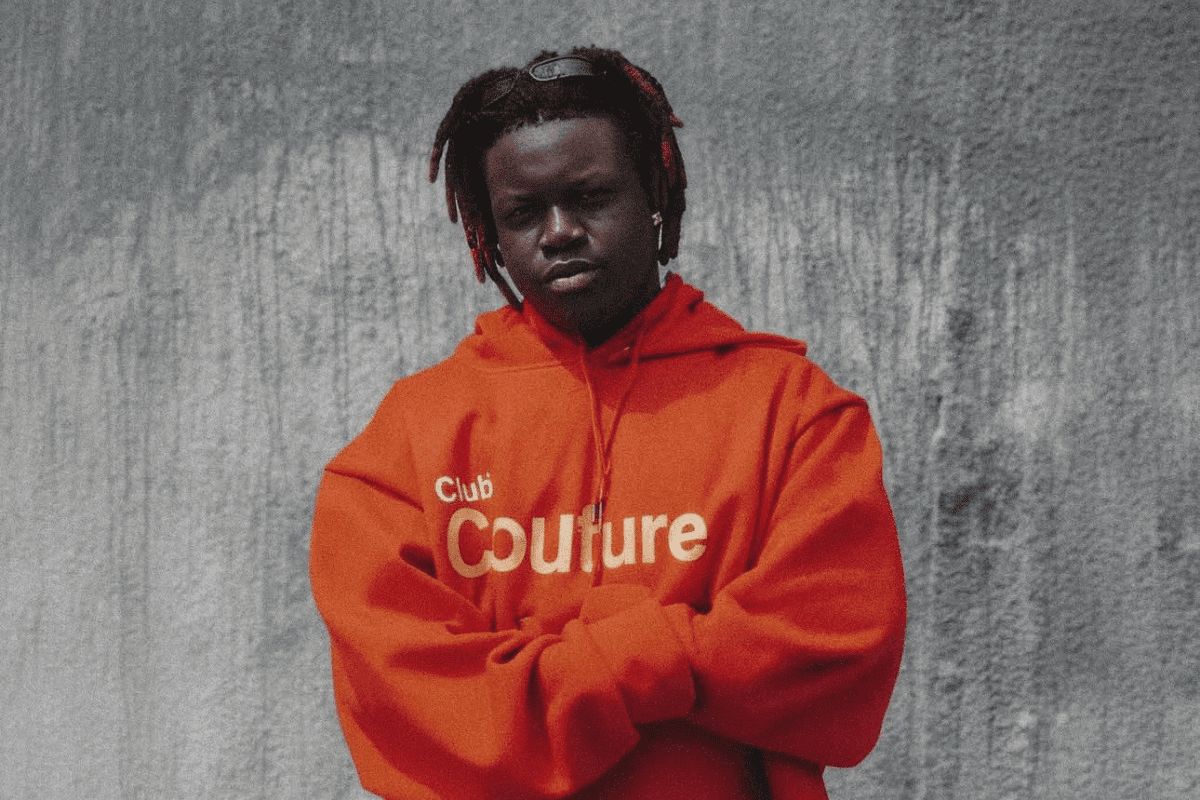
Benin City has long served as a breeding ground for some of the most distinctive talents in the Nigerian music industry, consistently producing artists capable of shaping the sound of their generation. In recent years, few families have embodied that spirit quite like the Uzama brothers. Led by the meteoric rise of Shallipopi and followed closely by Zerry DL, the family has become one of the most influential forces in Nigeria’s new-wave street-pop movement.
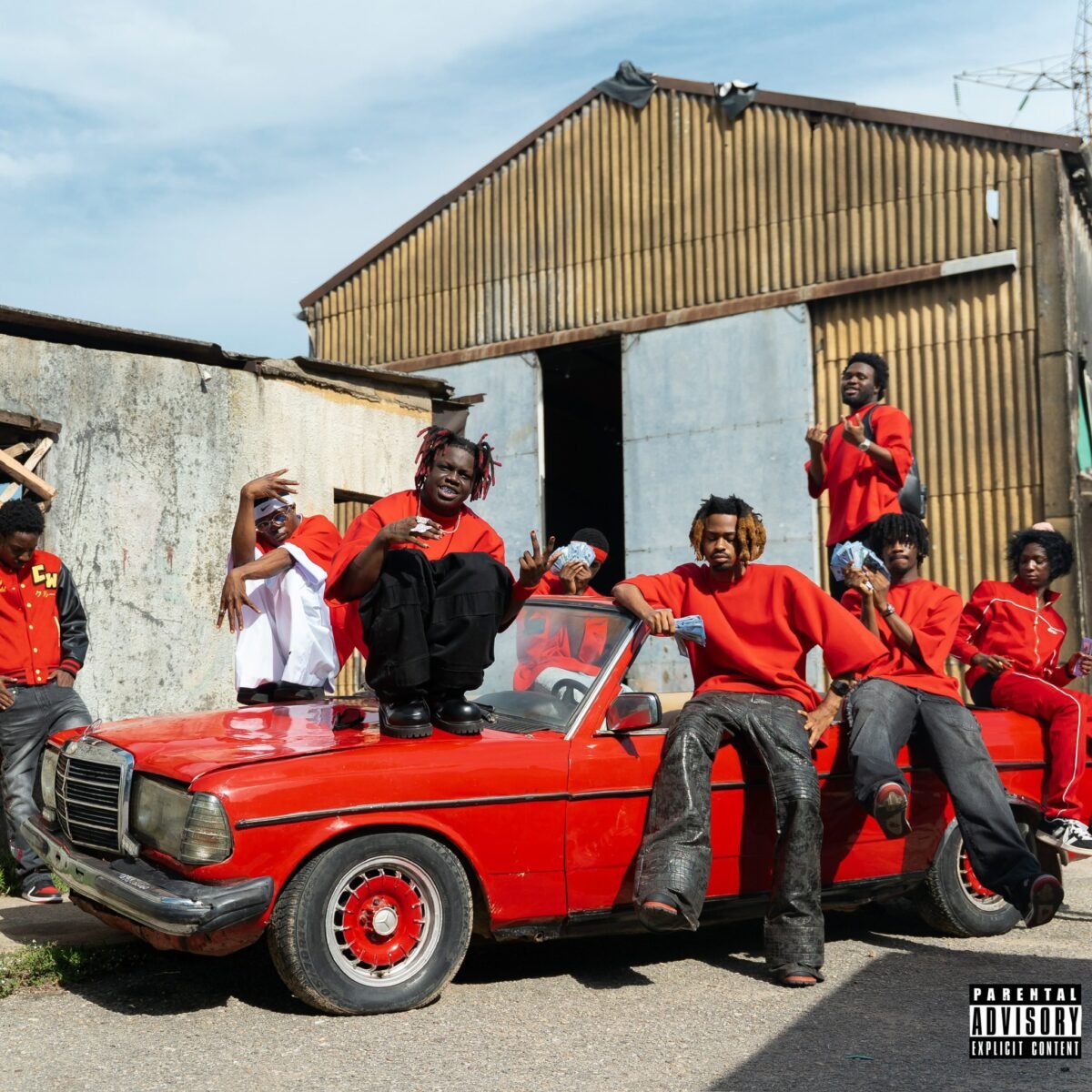
Now, the spotlight turns to Famous Pluto, an artist who has steadily built his own audience through his distinct sound, street-rooted storytelling, and growing catalogue of records that resonate with young listeners across Nigeria and beyond. With Street Therapist, he delivers a body of work that reflects his journey, mindset, and ambitions as an artist finding his own voice.
Across the album, Famous Pluto explores themes of hustle, resilience, loyalty, and the realities of growing up in an environment where survival often becomes the greatest teacher. While the project carries the vibrant energy that has become synonymous with the Pluto movement, it also reveals a more reflective side of the artist, offering listeners a deeper understanding of the experiences that have shaped him. In this interview, he speaks about the making of Street Therapist, navigating comparisons with his brothers, his growth as a musician, and the vision driving the next phase of his career.
What was growing up in Benin City like for you creatively and personally?
Growing up in Benin inspired my music through my heavy use of slang. These slangs were a
big part of growing up. Even lyrics like “I give am belle run, carry one baby knack” were a
part of the things happening there. Thinking back to when I grew up in Benin really helps
with my writing process and creativity.
At what point did you believe you wanted to start making music because you started quite late after your two brothers?
It was early January last year (2025) when I was making my EP, Uzama the 3rd. That’s when
it hit me that this is what I really want to do.
Why did you decide to call the project Street Therapist?
I named it Street Therapist because it’s meant to serve as advice. Advice for the streets but
not limited to them, it’s really applicable to any and everyone.
What stories were you trying to tell with this album?
In truth all the songs are different stories, and carry a narrative on their own. But really, the main thing is to make money. To lock in and make money.
Which song on Street Therapist feels the most personal to you and why?
I’d say it’s For Days and Yeyeye. For Days because it was about my past, those days of
growing up and my mom’s experiences. While Yeyeye was about experiences I faced in my
past relationships.
Your sound feels very connected to the streets how important is authenticity in your
music?
Being real is very important to me. I can’t fake what I’m not doing personally. I don’t believe
in lying in my music.
What are some of the real-life experiences that inspired this project?
Everything. All the songs there are based on real life experiences, either personally or
through a third-person perspective.
Coming from a family where all you brothers make music and are pushing the benin to the
world how does that make you feel?
I feel like the pride of Benin. It’s amazing. It feels like together we are putting Benin on the
map.