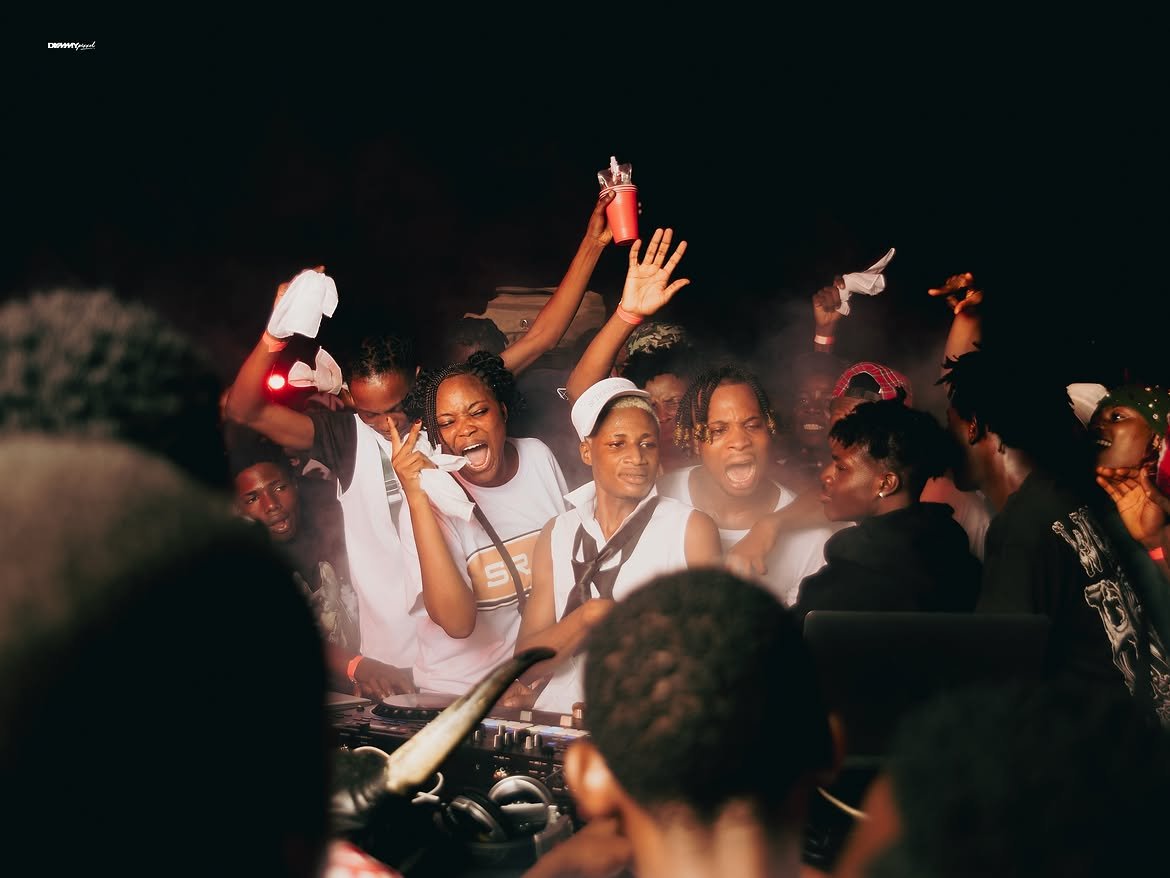
One thing you can’t take away from the street is its ability to be unpredictable. It morphs, blends and creates something from nothing. It can also produce nothing from something; such is its way. The street is cultural. When Olamide (Badoo) – rapper, singer and YBNL music executive – proclaimed in his now famous line, “Street Ti Takeover” (Street has taken over), it was more than a mere saying. It was a line that had significant consequences for what would follow: the popularization of a cultural identity that would have huge influence on the trajectory of Afrobeats and its sound.
In the years that followed, street pop – a genre associated with the street – kept growing. Artists aligned themselves with the term, as it provided a platform to talk about struggles, suffering, tough upbringings and hustle spirit while becoming superstars in the process. Artists like Zlatan, Seyi Vibez, Shallipopi, Ti Blaze, Otega, and Balloranking can be identified with the genre. Aside from these singers, producers that find their calling through street pop also emerged. Through their mixes and sound experimentation, sound identities were formed. Mara is the most recent of these, making waves in clubs and dance floors across Nigeria. The sound took its name from the street; It is a slang rooted in the Yoruba dialect. Mara, in layman’s terms, means “madness” or “craziness.” The beat can instinctively be referred to as a “mad” sound. R.D Laing once said, ” Madness needs not be all breakdown. It may also be breakthrough.” In Mara sound, the breakthrough is freedom and the bliss which originates from escapism. To be in tune with the high-octane energy of Mara is to leave the scene of reality and ascend into wildness. It is an acceptance of life’s edgy nature, without the moral restraints that often inhibit willful exploration.
Mara shares similar sonic characteristics with electronic and techno sounds – hypnotic loops, pounding beats, and an immersive experience that sweeps feet. Its energy can be found in clubs, when the sound is played through loudspeakers, with the DJs serving as anchors, directing the moment. When songs such as “Ozeba” or “Azaman” – with their Mara elements, are played on the street or dance floor, you can imagine the tumultuous beat, the cathartic feet, the rousing bodies, the uproar and the heavy dust amidst swinging bodies. Seyi Vibez’s “Shaolin” and DJ Khalipha’s “Mara Pass Mara” offer further examples of the sound’s energy. This is what Mara sound represents. Mara sound and the street are intertwined; they exist in sync. They are raw, edgy and unapologetic in nature. While Mara has built its base in the street, the street has accepted the sound as its offspring. Their philosophies are complementary, but they stand in stark contrast to the mainstream culture and sound. The zeitgeist here wants finesse, lushness and decorum; it borders on polish, serenity, and sanity. These are not within Mara’s purview.
As the mainstream battles with the oversaturation of Amapiano (originating from South Africa) in Nigerian Afrobeats songs, perhaps Mara could be the next game changer. The two share similarities in electrifying dance floors. Like the log drums in Amapiano, Mara’s pounding basslines create a chest thumping effect. Dance steps are curated for both sounds, and high-end energy defines their experience. Where they differ might be in the ease they provide. Amapiano is smooth, groovy and controlled – a trait that makes it sit well with the mainstream. But Mara is aggressive, raw and chaotic (uncontrolled). While these distinctions are real, they do not reduce Mara’s potential for bridging two different worlds. It can, with time, be refined or left as it is, at least a minute of chaos will not make a sane world lose its serenity. The sound’s imprint is already visible in some songs that have crossed the mainstream, and the numbers these tracks generate are difficult to ignore. Perhaps, then, Mara is another indication that the street and mainstream are not as distant as they seem.
Azeez Adekunle is a Nigerian music writer, critic and cultural commentator specializing in Afrobeat and its global influence. He analyzes developments in the music industry, and the cultural, social and political context behind the sounds.