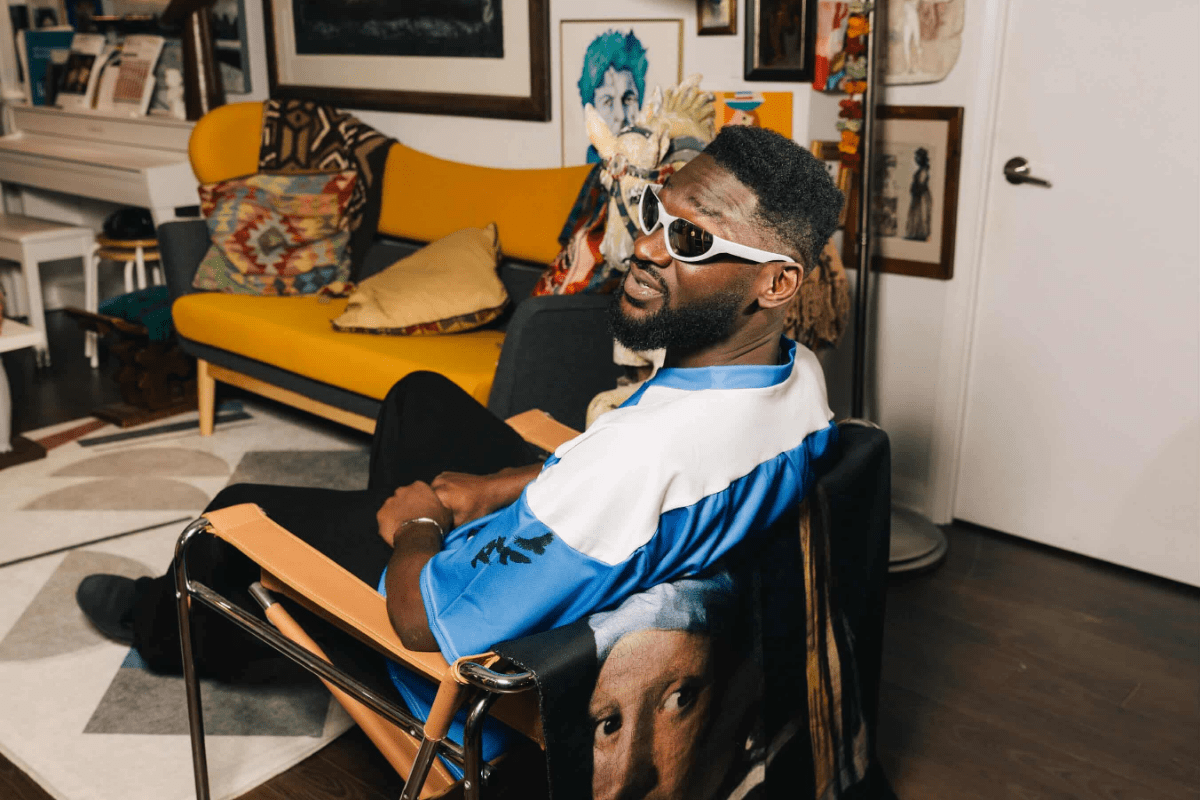
Behind every growing music movement are people working quietly to build the infrastructure, community, and cultural moments that push the sound forward. In Canada, one of those people is Fusihype — a promoter, talent manager, and cultural curator who has become an important figure in the expansion of Afrobeats within the country.
Through events, fan experiences, artist relations, and grassroots community building, Fusihype has played a key role in connecting Afrobeats artists to Canadian audiences while also helping establish Canada as an increasingly important market for the genre. From his now-recognizable customized jersey tradition to his work supporting emerging artists within the diaspora, his contribution reflects how culture can be amplified beyond music alone.
For this edition of Offstage, we speak with Fusihype about promoting afrobeats in Canada, transitioning into talent management, the opportunities within the Canadian market, and what the future of the culture could look like.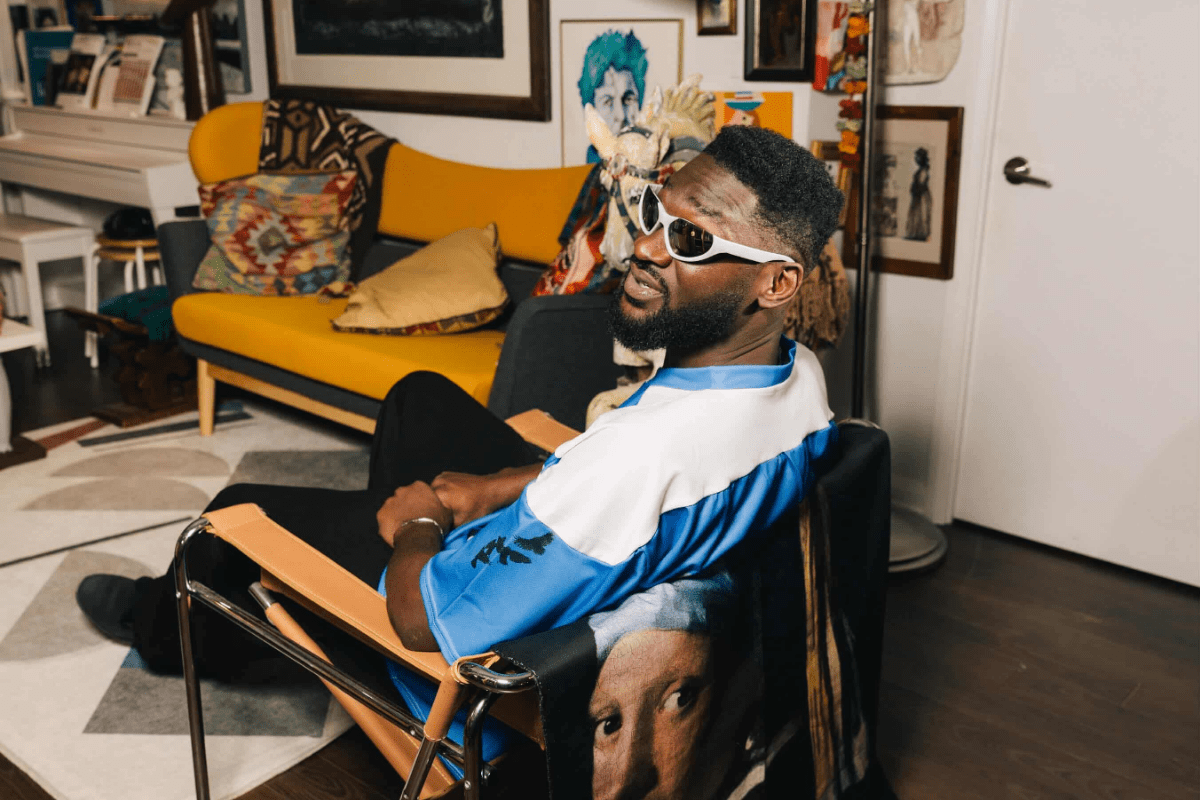 What inspired your journey into promoting Afrobeats culture in Canada?
When I moved to Canada, I realized Afrobeats wasn’t being represented or played as much as it deserved. Coming from a place where Afrobeats is deeply woven into everyday life and culture, I immediately saw an opportunity to create experiences that could connect both Canadians and Africans in the diaspora to the sound, energy, and lifestyle surrounding the genre.
I started by organizing parties and events centered around Afrobeats, bringing people together to experience the culture firsthand. As the movement began to grow, I noticed that many people still weren’t familiar with the artists behind the music, so I wanted to create something more personal and meaningful that connected fans directly to the artists themselves.
That eventually led to my jersey tradition. Anytime an Afrobeats artist comes to Canada, I get them a customized Canadian sports jersey — whether it’s from the Raptors, Maple Leafs, or Blue Jays — with their name on it. I then travel around getting fans across Canada to sign the jersey while creating content around the process. When the artist arrives, I present it to them as a gift from both the country and the fans.
Over time, it became much bigger than promotion. It turned into a cultural bridge — a way of creating memories, strengthening community, and showing artists just how deeply Canada supports Afrobeats. Through consistency, creativity, and networking, it also helped establish my place within Canada’s entertainment and live events ecosystem.
What triggered your transition into talent management?
After years of promoting Afrobeats culture, organizing events, and building relationships across the industry, I realized there were so many talented Afrobeats artists in Canada who simply needed visibility, structure, and the right connections to grow.
I wanted to use the platform and network I had built to help push local talent forward, not just internationally established artists. Talent management became a natural transition because I already understood branding, audience engagement, influencer marketing, promotion, and how to create cultural moments around artists.
For me, it’s bigger than management. It’s about helping artists tell their stories properly, connect with audiences authentically, and create opportunities that can elevate Afrobeats in Canada on a global level.
What’s one thing happening in the scene that you’d like to fix or change instantly?
One thing I would change immediately is getting more African media houses and major entertainment platforms to pay attention to the incredible local Afrobeats talent emerging from Canada. There’s so much quality music and cultural impact happening here, but many artists still don’t receive the visibility or support they deserve.
I’d also love to see more collaborations between African artists and Canadian artists. Canada is one of the most multicultural countries in the world, and there’s huge potential for collaborations that can help expand the sound globally while opening more doors for local talent.
What’s one thing people may not know about Afrobeats in the Canadian market?
A lot of people don’t realize just how rapidly Afrobeats is growing in Canada. It’s no longer music consumed only within the African community — people from different cultures are genuinely connecting with the sound, the lifestyle, and the energy behind it.
From sold-out concerts to clubs, festivals, fashion spaces, and even mainstream sports culture embracing the movement, Afrobeats is steadily becoming part of Canada’s entertainment identity. The audience continues to grow every year, and the next phase will be even bigger as more young creatives and artists continue pushing the culture forward.
Do you think Afrobeats’ scale in Canada has peaked or is in decline? What more can the culture do to sustain its growth?
I definitely don’t think Afrobeats in Canada has peaked or entered a decline. If anything, I believe we’re still in the early stages of something much bigger. The genre has already crossed into mainstream culture, but there’s still massive room for growth in areas like media, touring, festivals, radio, brand partnerships, and artist development within Canada itself.
To preserve and expand that growth, we need to keep investing in local talent, building stronger industry infrastructure, and creating more opportunities for collaboration between African and Canadian creatives. We also need more storytelling around the culture — not just the music, but the fashion, dance, lifestyle, and community behind it.
Most importantly, consistency matters. The culture needs to continue creating experiences that bring people together. That sense of community, authenticity, and energy is what made Afrobeats resonate globally in the first place. If we continue building platforms and supporting the next generation, Canada can become one of the strongest international markets for Afrobeats.