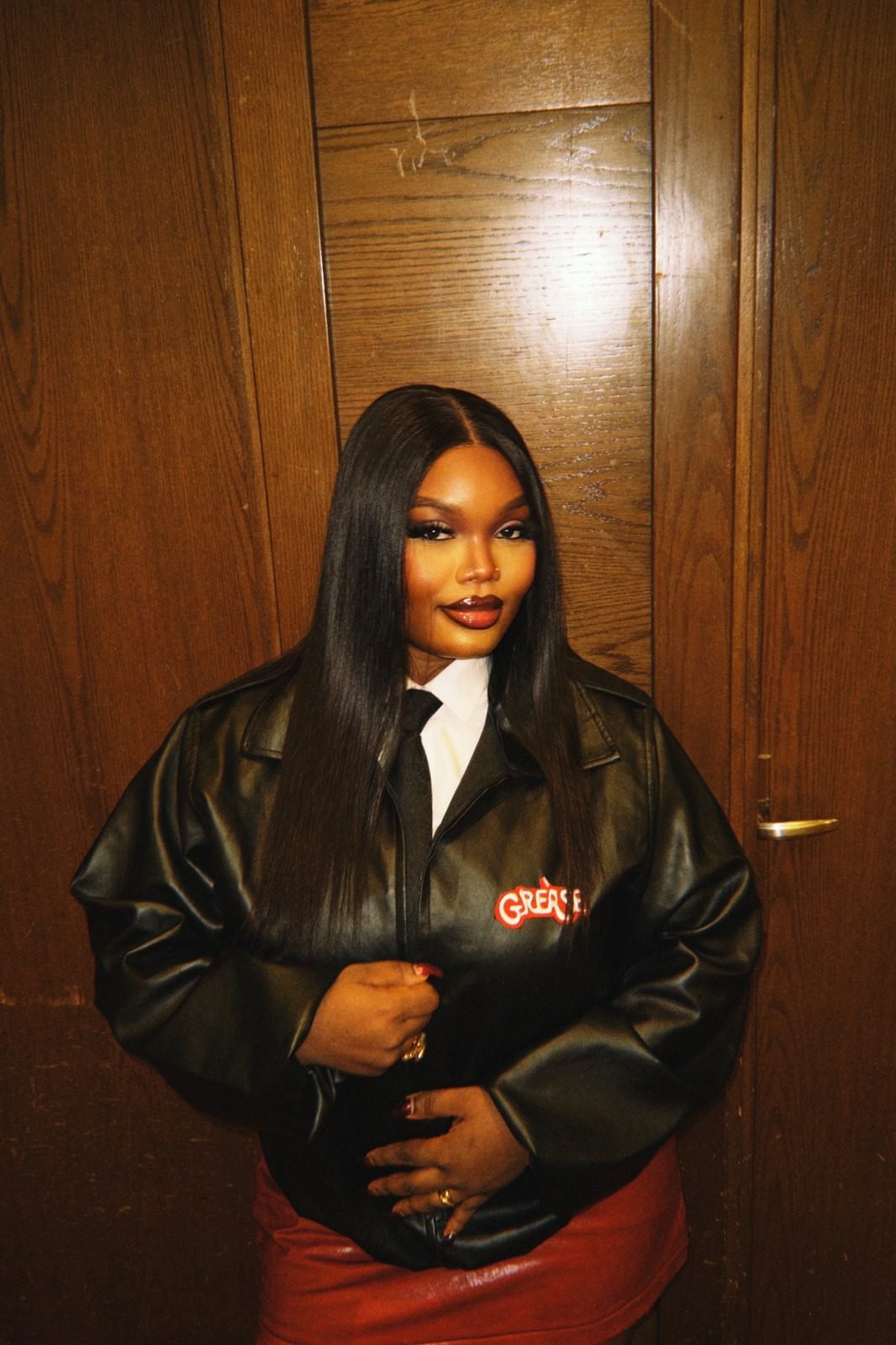

In an industry where the spotlight often falls on the voices at the forefront, the contributions of additional vocalists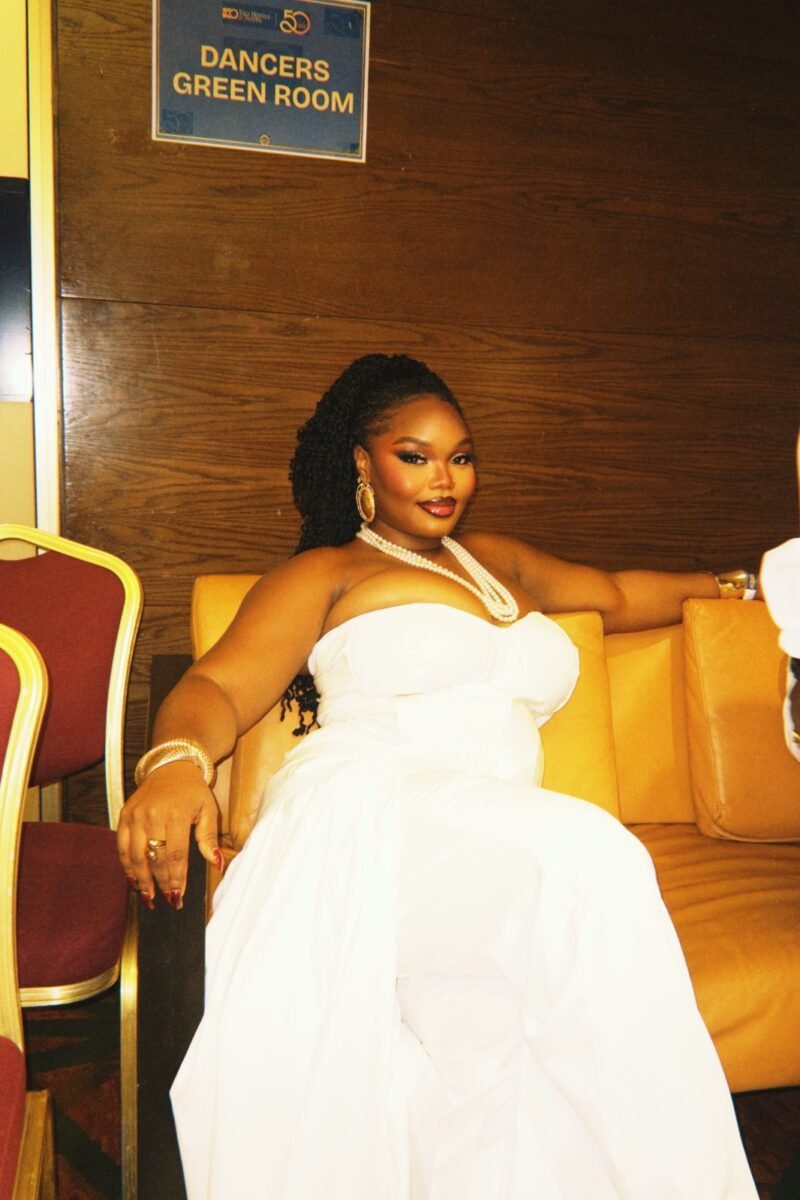 can go largely unnoticed, even when they help define the sound of a record. For Tamara, a singer-songwriter whose journey has taken her from church choirs and live bands to working with artists such as TML Vibez, Zlatan, Kizz Daniel and Oxlade, the work extends beyond singing harmonies. It requires an understanding of artistic vision, vocal arrangement and the discipline to know when to lead and when to hold back. With her roots in R&B and soul, Tamara continues to navigate the balance between contributing to other artists’ music and developing her own identity, while advocating for better recognition, credit and compensation for the vocalists who help bring records to life.
In this conversation, she reflects on her journey, the realities of being an additional vocalist in Nigeria’s music industry, and the need to give these often-overlooked contributors their due.
How did your journey into music begin, and what led you to pursue music as a singer and songwriter?
I started out in church, just like many others, as a proper church girl. It began with choir rehearsals and eventually grew into live band performances and other opportunities. At the time, I had a 9-5,working with children challenged with autism, and music was something I did on the side. I didn’t initially imagine it becoming my career, but it was what I naturally gravitated towards.
You’ve worked with artists like TML Vibez, Zlatan, and Kizz Daniel, contributing your vocals and songwriting to their records. How did those opportunities come about, and what have those experiences taught you about the music industry?
I joined Veentage Band for a while and eventually moved to Glitch Africa, where I began working with more artists and gaining more experience as a vocalist. A lot of my opportunities came through referrals. People would hear my work, recommend me, and reach out when an artist needed additional vocals. One thing I’ve learned is how important relationships, consistency, and professionalism are in this industry. Talent is important, but people also need to trust that you can deliver and that you’re someone they can work with.
You’ve contributed to songs by other artists while building your own identity as an artist. What does contributing vocals or songwriting to another person’s record involve, and do you think these contributions receive enough recognition in Nigeria?
Contributing additional vocals involves understanding what a song needs and helping bring the artiste’s vision to life through harmonies, layers, textures, and different vocal arrangements. It’s not just about singing; it’s knowing what to sing, how to sing it, and sometimes when to hold back. I don’t think vocalists receive enough credit yet, but I’m happy to see more conversations happening around recognition. My friend often reminds me to own my work and let people know what I’ve contributed because our work deserves to be acknowledged too.
Having worked with different artists, how do you adapt to their individual sounds while maintaining your own creative identity?
My natural sound leans towards R&B and soul, but working with different artists has taught me to be versatile. Every song has its own needs, and as a singer who does additional vocals, you have to understand the artist’s vision and serve the music. I enjoy learning from different sounds because it helps me grow. But when it comes to my own music, I know the direction I naturally gravitate towards, and that’s R&B and soul.
As a singer-songwriter, how does your creative process differ when making music for yourself compared to contributing vocals or songwriting to another artist’s record?
When I’m contributing additional vocals to another artist’s record, I focus on understanding their vision and what the song needs. I love to sing, so sometimes I want to add runs and harmonies, but I’ve learned that being teachable is important and that sometimes, less is more. With my own music, it’s more personal. I draw from my experiences and emotions to tell my own stories. It gives me the freedom to express myself and explore the sounds and feelings that come naturally to me as an artist.
Do you think contributing to established artist’s records can help emerging singers and songwriters build successful solo careers, or are there still barriers that the industry needs to address?
I think working with established artists creates opportunities because you gain experience, build relationships, and learn a lot about the industry. However, I also think there are still barriers that need to be addressed, especially when it comes to recognition, visibility, and the value placed on additional vocalists. Sometimes, the people contributing so much to the sound of a record aren’t as visible as others involved in making it. I think creating more opportunities for vocalists to be recognised for their contributions and showcase their own artistry would make a difference. Nine times out of ten, these vocalists are independent artists themselves. There’s so much talent within that space, and I think the industry can do more to give that talent room to grow.
Are there any songs you’ve contributed vocals or songwriting to that you’re particularly proud of, or that listeners might be surprised to learn you were part of?
There are quite a few records I’m proud to have been a part of, but one that really stands out for me is Katigori by Oxlade. I did the additional vocals alongside Maio ,Dakor, and Flora sparkle, and honestly, we went all out on that song! The harmonies and layers were beautiful. I remember playing it for friends, and they would ask who did the vocals. I’d tell them it was me and my friends, and that always made me proud. What made it even more special was when Oxlade came to Glitch Africa while Maio and I were still there. We got to record the live version of Katigori as well, and that was the cherry on top! We had already worked on the original version that people were listening to on streaming platforms, so getting to recreate that magic in a live session was such an amazing experience. It’s definitely one of those records I’ll always be proud to have contributed to.
How important are proper credits, royalties, and recognition for artists who contribute vocals or songwriting to other people’s records, and do you think the Nigerian music industry does enough in this regard?
Honestly, I don’t think enough is being done yet, but I’m happy to see things gradually changing. Some people are beginning to acknowledge additional vocalists in their credits, and that’s beautiful because it makes us feel seen and appreciated as part of the music.Sometimes, you see recognition given to different people who worked on a record, while the vocalists who contributed to its sound are left out. It can make you feel a little brushed aside. I think additional vocals can elevate a song, and some records simply wouldn’t sound the same without them. When it comes to royalties, I think there’s still a lot of room for improvement, at least from my experience working in Nigeria. I hope that as these conversations continue, we evolve in our understanding of teamwork and fair compensation to the point where a share of the publishing royalties can also become part of the conversation.Proper credit and recognition matter, and I hope we continue moving towards a place where additional vocalists are more consistently acknowledged, fairly compensated, and valued for the work we do.